Knowledge Exchange from the Territories
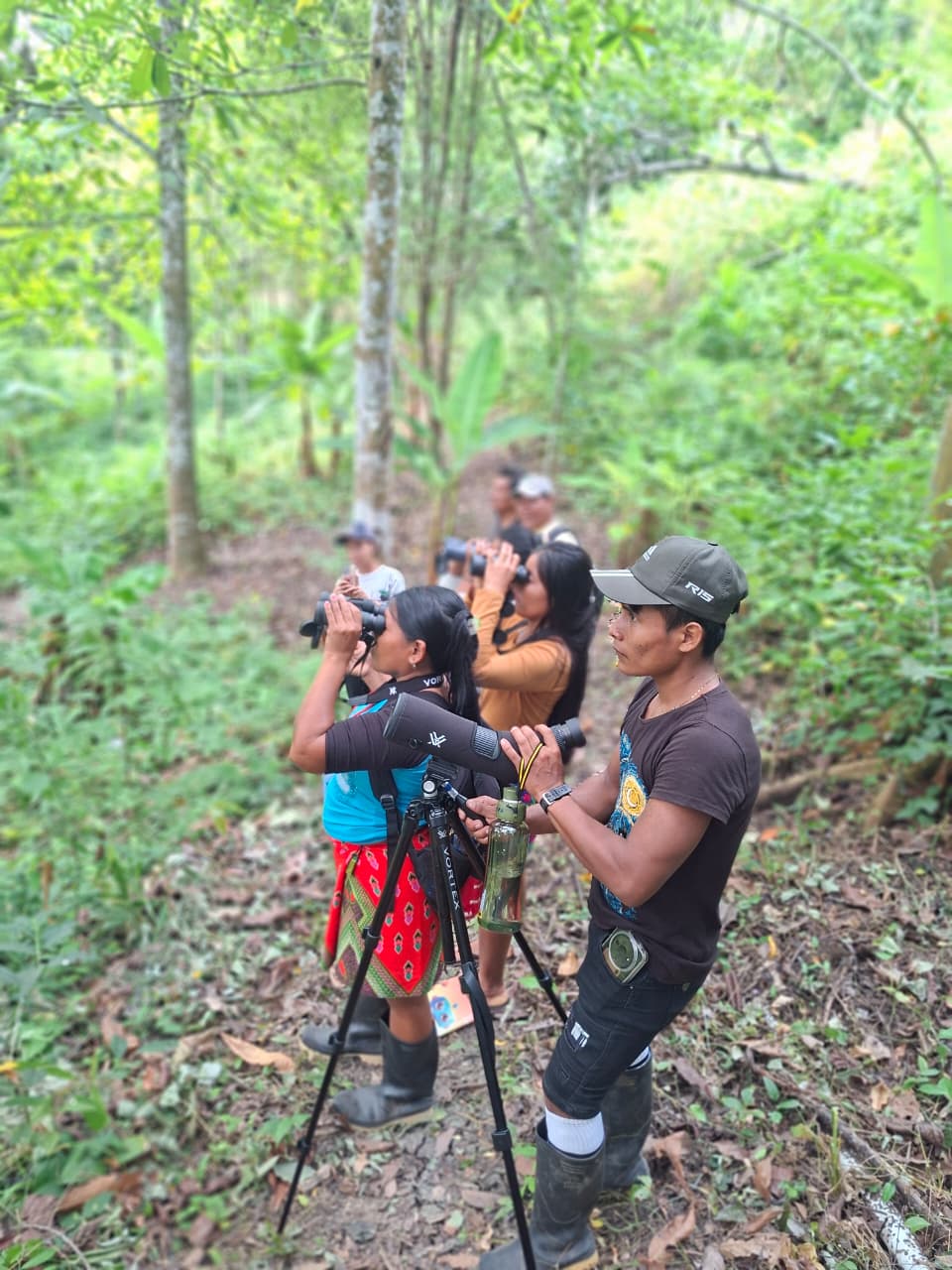
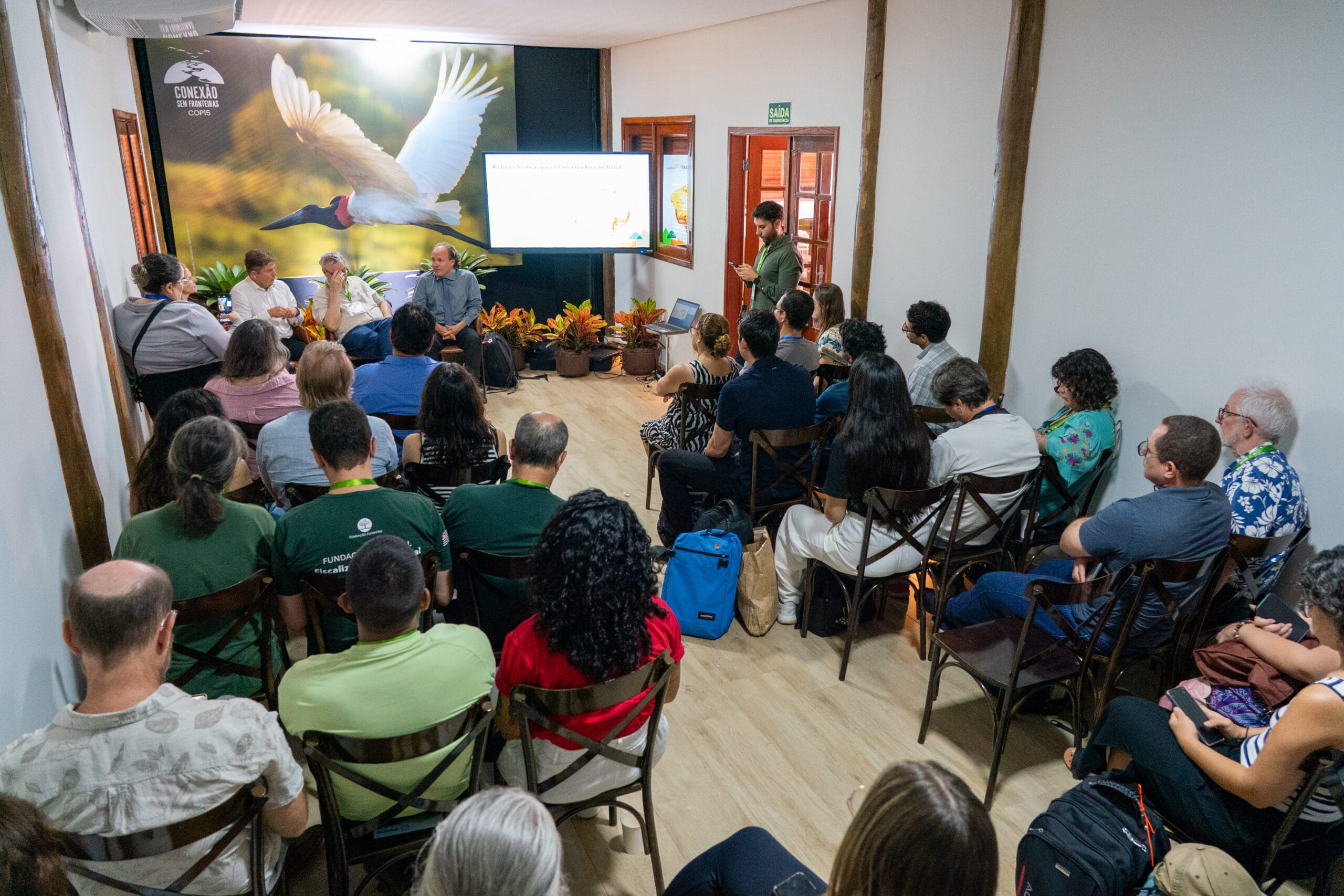
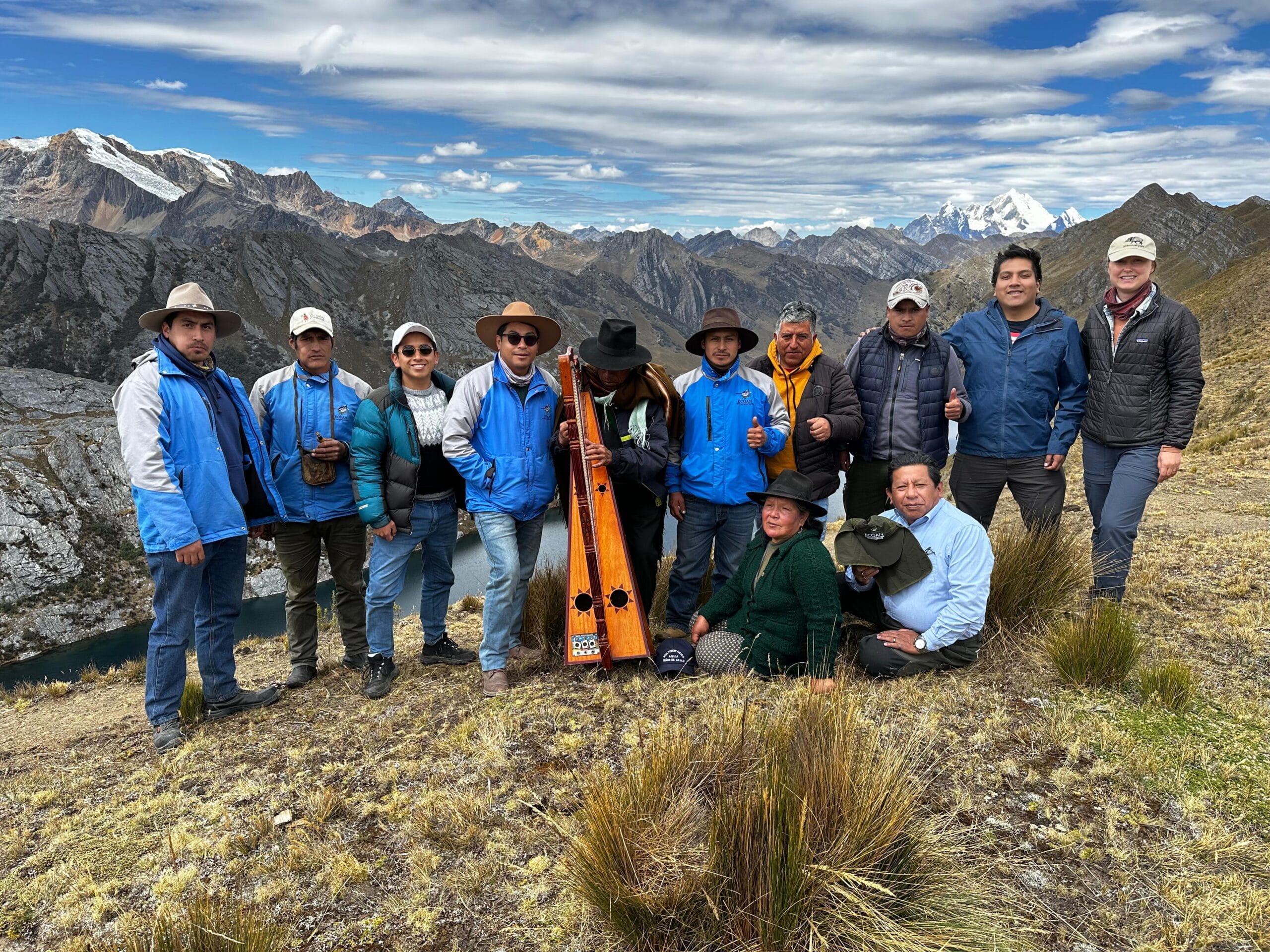
Conservation is built from the territories and by those who inhabit them. With this shared vision, the North-South Knowledge Exchange took place in Puerto Misahuallí, in the Ecuadorian Amazon, bringing together for one week representatives of Indigenous Peoples from eight countries. The exchange connected Canada and Latin America—much like migratory bird routes—in a space for dialogue, learning, and collaboration.
Throughout the gathering, participants shared knowledge on territorial management, their relationship with biodiversity, and community-based practices that sustain conservation within their contexts. This process enabled the identification of common ground across cultures and realities, highlighting the value of traditional knowledge in protecting nature.
Connections Beyond Borders
The exchange also created space to reflect on connections between distant territories. Through shared experiences, participants identified similarities in bird species observations and relationships with natural cycles, demonstrating how territories are interconnected beyond geographic boundaries.
This process became a platform for mutual learning and co-creation, where intercultural dialogue strengthened collaboration among territories and laid the groundwork for future joint actions.
Collaboration and Recognition
Initiatives like this reinforce the importance of advancing conservation processes led by Indigenous Peoples—as deep knowledge holders of biodiversity and key actors in ecosystem sustainability at the local level. This exchange was supported by the Government of Canada, reflecting its commitment to strengthening Indigenous knowledge and its contribution to biodiversity conservation.
The initiative drew on the experience of Birds Canada and BirdLife in collaborative work with Indigenous Peoples, promoting an ethical space for dialogue between knowledge systems. Support was also provided by Nature Canada.
Participants included representatives from diverse peoples and territories: Pasto (Colombia), Ngäbe-Buglé (Panama), Chachi de Naranjal, Quijos Pachakutik, and Ávila Viejo (Ecuador), Candungos (Peru), communities from Almoloya de Gutiérrez (Rincón Vaquero annex) and Mazahua from Asunción Ixtaltepec (Mexico), as well as the La Casona Indigenous Territory (Costa Rica) and Moose Cree, Cree Nation of Eastmain, Musqueam, and Tsay Keh Dene (Canada).
About Conserva Aves
Conserva Aves is an initiative led by American Bird Conservancy, National Audubon Society, BirdLife International, Birds Canada, and the Latin American and Caribbean Network of Environmental Funds (RedLAC), with support from Global Affairs Canada.
IGeIS Dimension
The North-South Indigenous Knowledge Exchange aligns with Conserva Aves’ IGeIS Strategy in four key ways. First, by promoting the agency of Indigenous Peoples in conservation, ensuring equitable participation among men, women, youth, and elders. Second, by recognizing and elevating diverse and equally valuable conservation knowledge and practices.
Third, its decolonial approach enabled a co-creation process with Indigenous collaborators, identifying interests, needs, and expectations that shaped the exchange. Finally, it fostered shared responsibility and solidarity across cultures and knowledge systems, contributing to a more inclusive, sustainable conservation model designed by and for Indigenous Peoples.