
Territories and Communities
We create and strengthen local protected areas that safeguard biodiversity and the water, food, and climate on which millions of people depend.
Together with local organizations and communities, we conserve the most important places for birds in the Americas:
- Key Biodiversity Areas (KBAs)
- Climate Strongholds
- Ecological Corridors
- Priority Landscapes
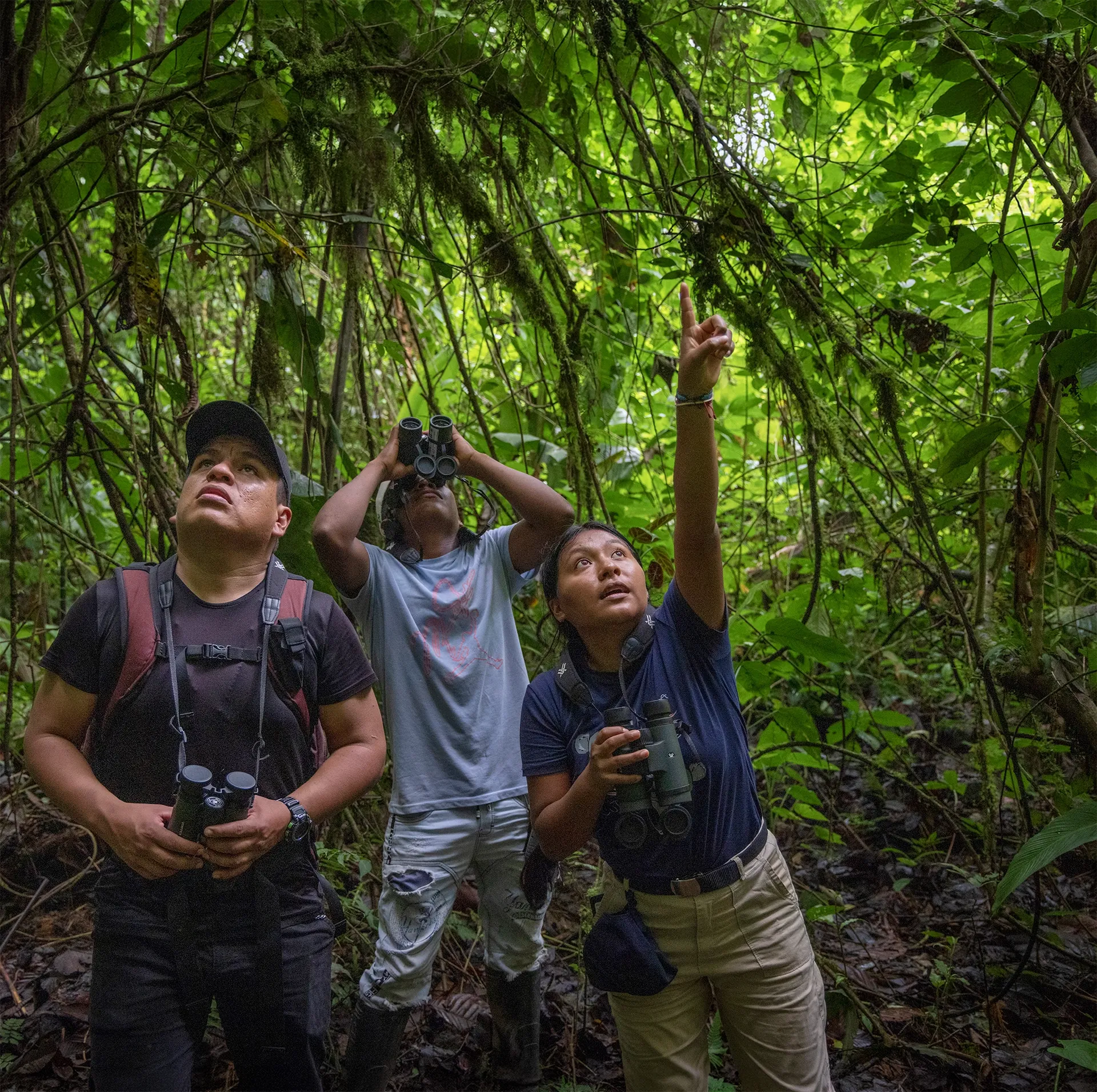
Community-Led Conservation
For Conserva Aves, land is more than geography: it is life, identity, and culture.
Hand in Hand with Communities
We strengthen local capacities, respect ancestral knowledge, and support the Indigenous, Afro-descendant, and local communities that have cared for these ecosystems for generations.
Locally Driven Decisions
We promote participatory processes that expand local decision-making and sustainable land management, with inclusive solutions tailored to each context.
Territories of Life
Explore the countries where Conserva Aves works alongside local communities and organizations to protect the habitats that connect birds across the Americas.
In addition to creating and strengthening protected areas, we promote other conservation mechanisms, such as the identification of Key Biodiversity Areas (KBAs) in Honduras and a direct investment project in Costa Rica.
Mexico
Panama

Colombia

Peru

Bolivia

Ecuador

Chile

Honduras

Costa Rica
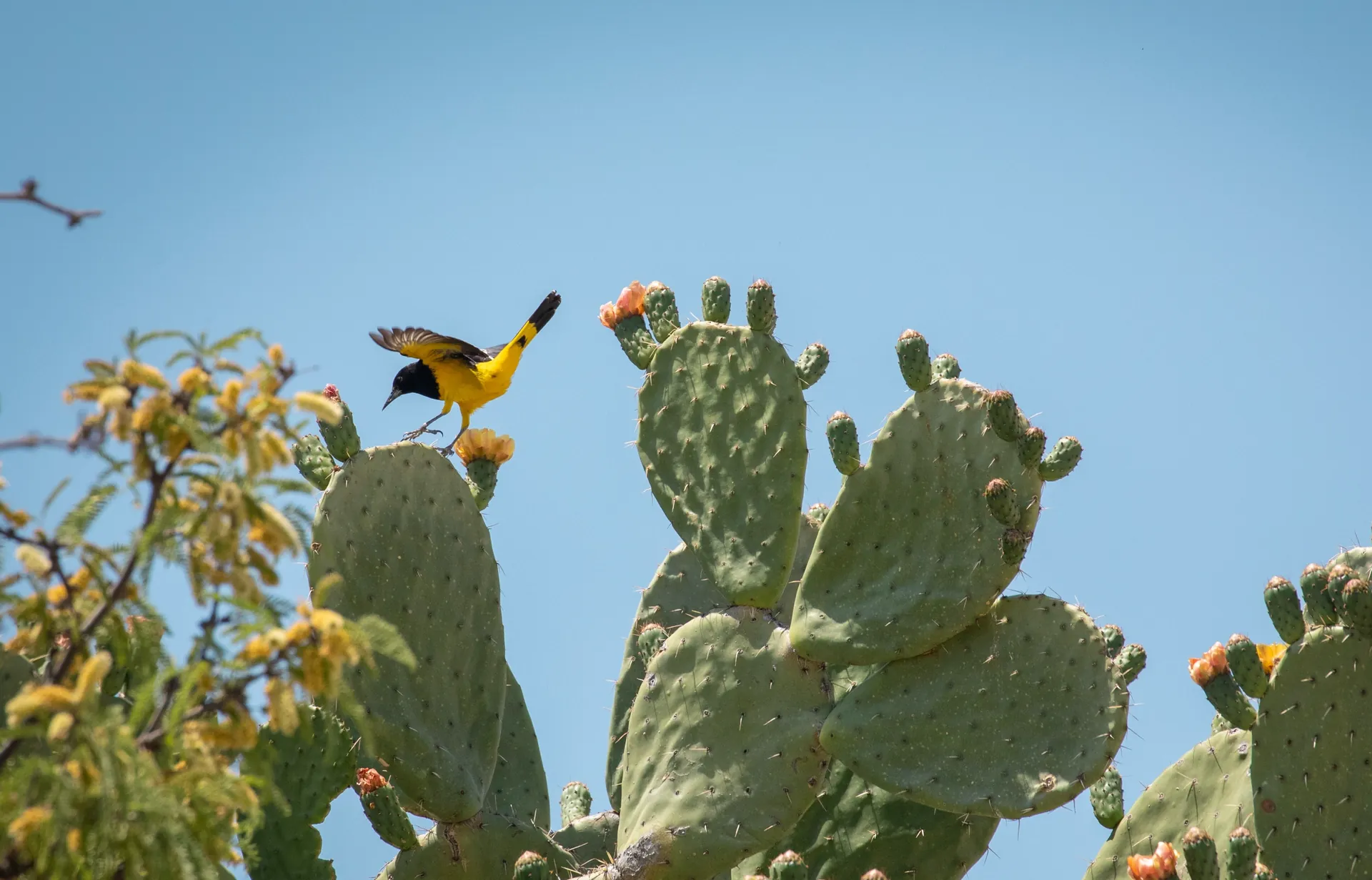
Coahuila, MéxicoEjido 20 de Noviembre
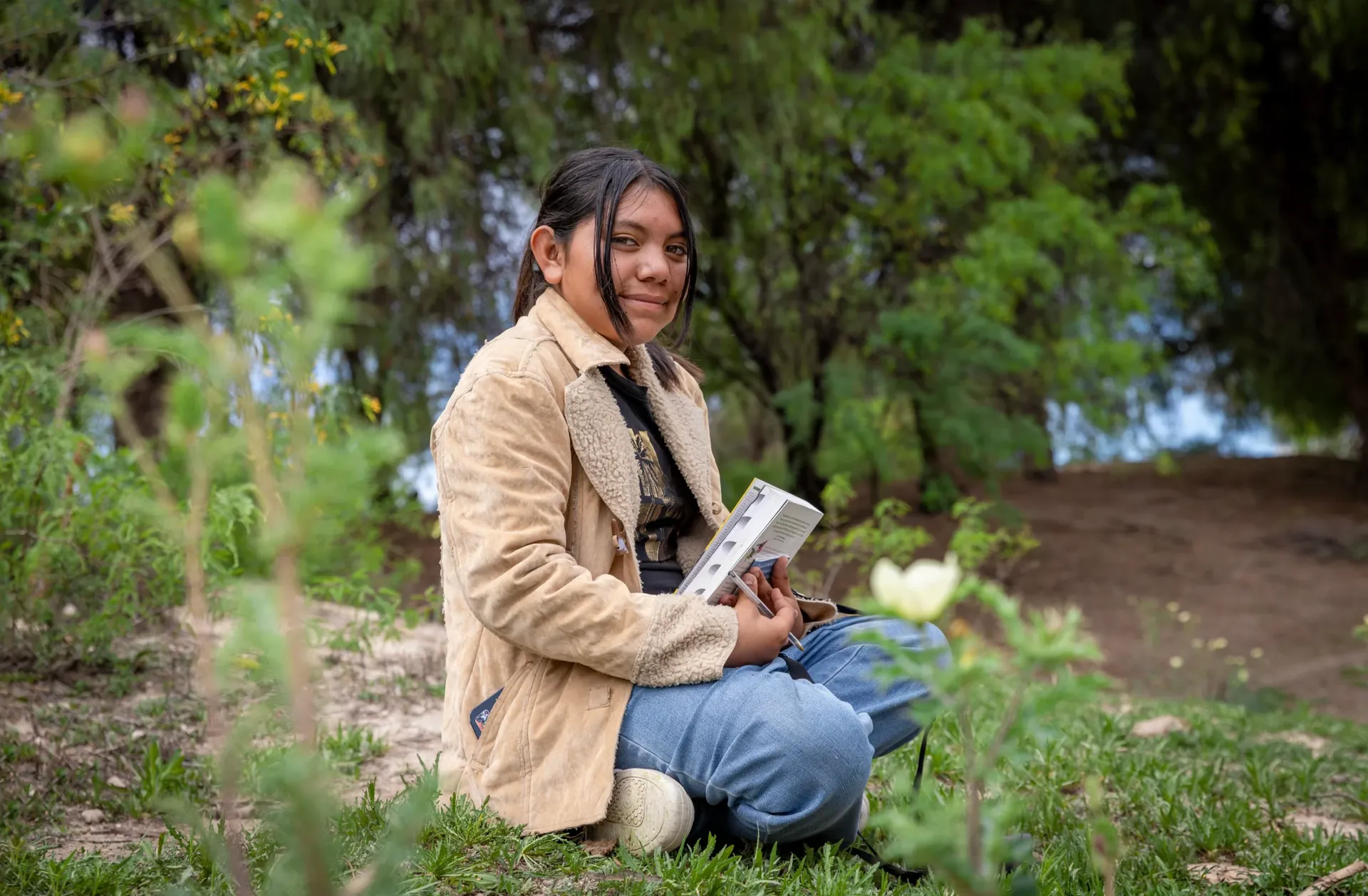
Coahuila, MéxicoEjido 20 de Noviembre
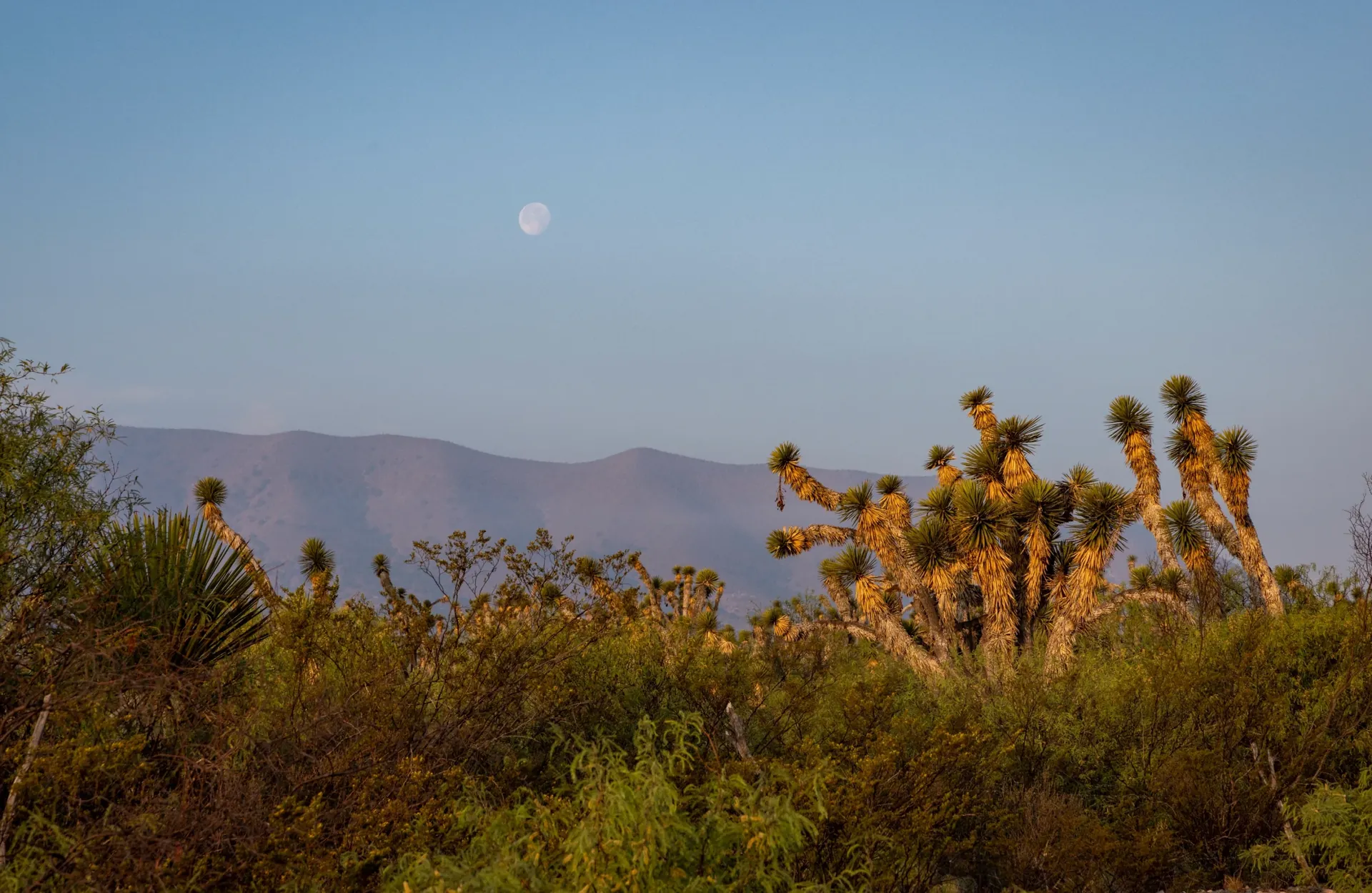
Coahuila, MéxicoEjido 20 de Noviembre
Mexico
- 78K Hectares Supported
- 14 Projects
- 8 Calls for Proposals (RFPs)
- 4 Inclusion Funds
- 2 Direct Investments
National Partners

Local Implementing Partners


From the deserts of the north to the rainforests of the south, Conserva Aves works alongside 14 local partners to protect more than 75,000 hectares.
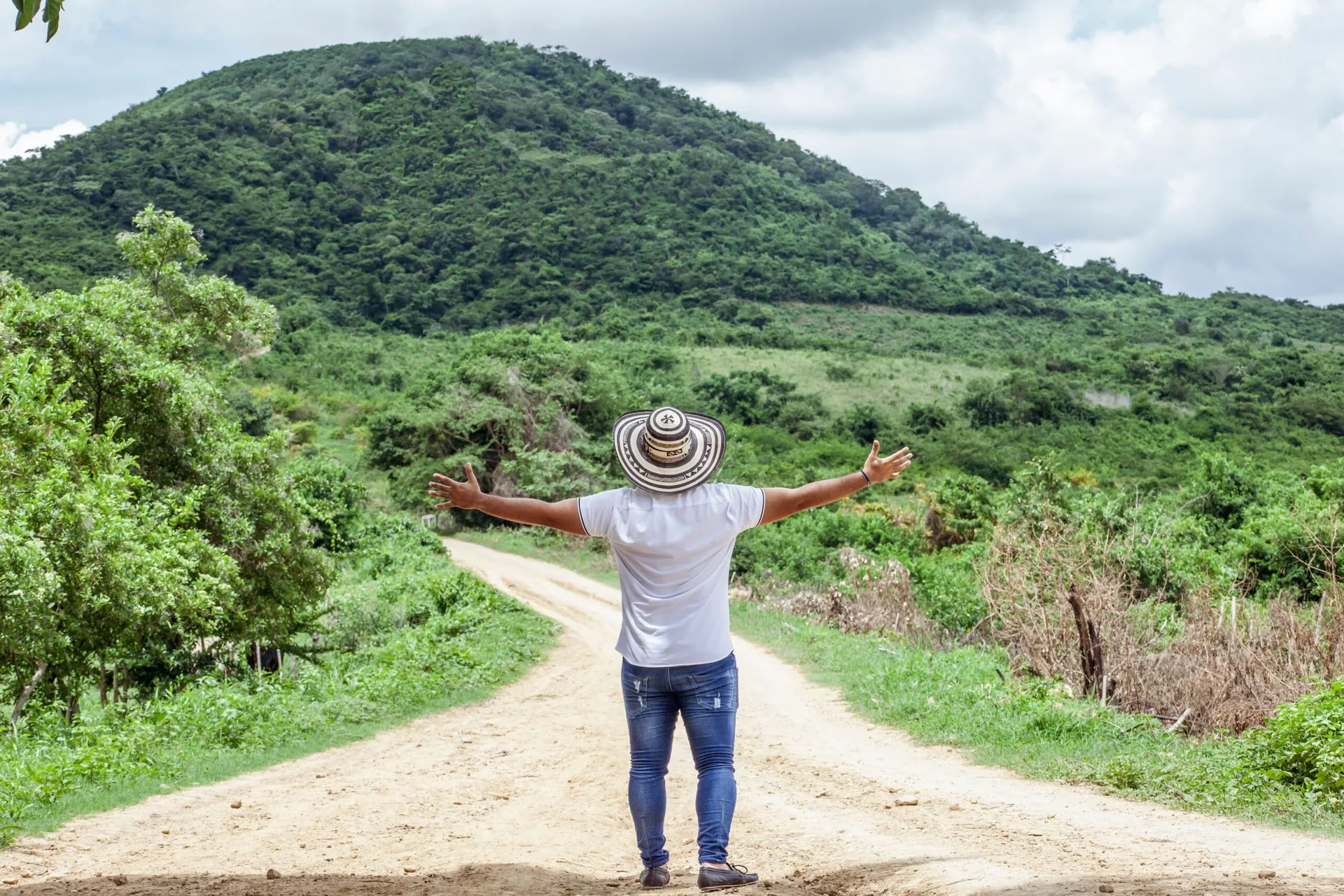
Foto: [autor][Región]
Honduras
- Identificación de Areas Clave de Biodiversidad (KBA)
Socio nacional
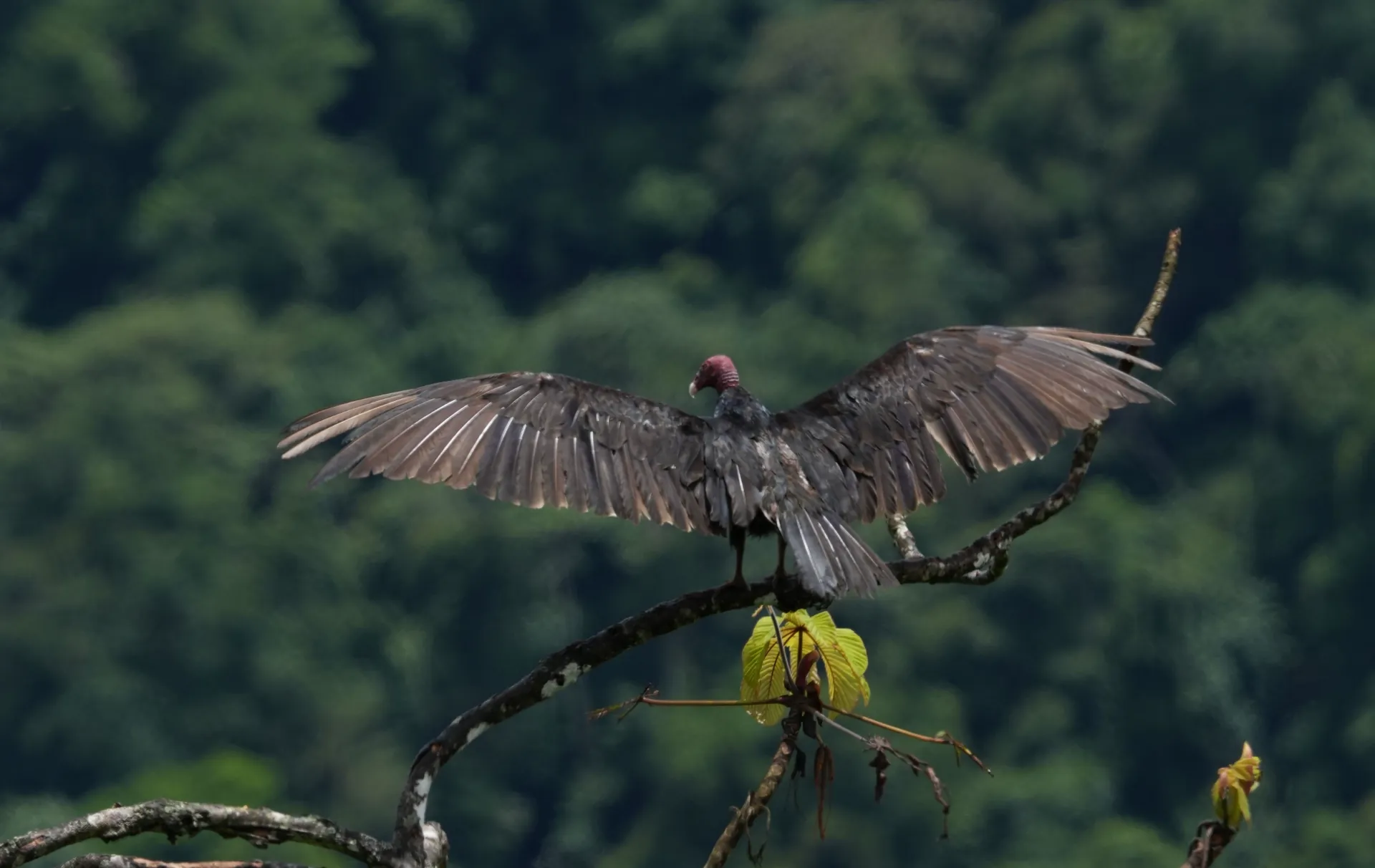
In Honduras, Conserva Aves is supporting the identification, mapping, and validation of KBAs nationwide to update and expand the network of priority areas for biodiversity conservation.
Costa Rica
- 140 Hectares Supported
- 1 Projects
- 1 Inversión directa
Socio local
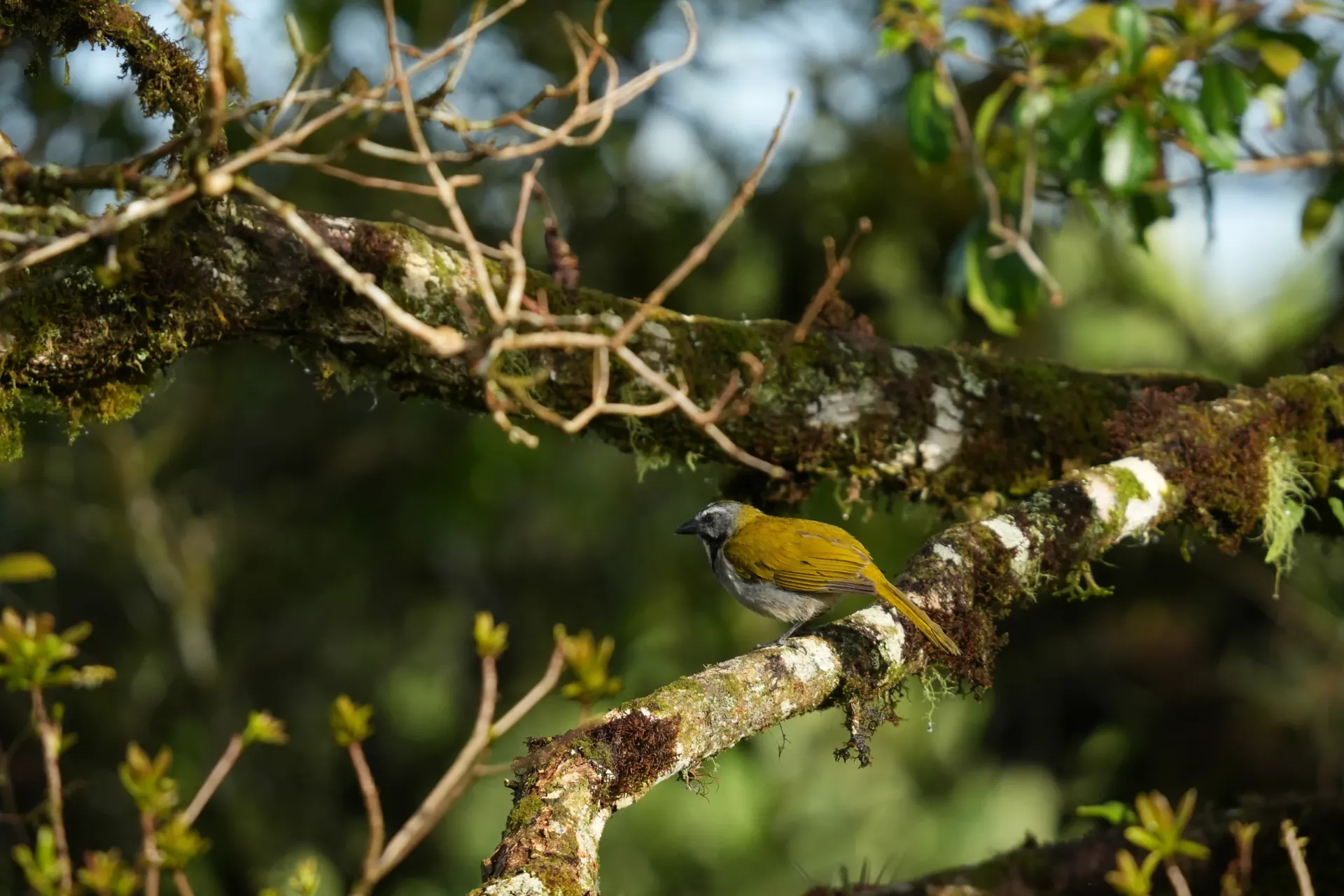
In Costa Rica, Conserva Aves supports Mujeres Comprometidas con la Tierra in restoring the forests of Finca Cántaros. This initiative restores ecosystems and strengthens women's leadership in community-based conservation.
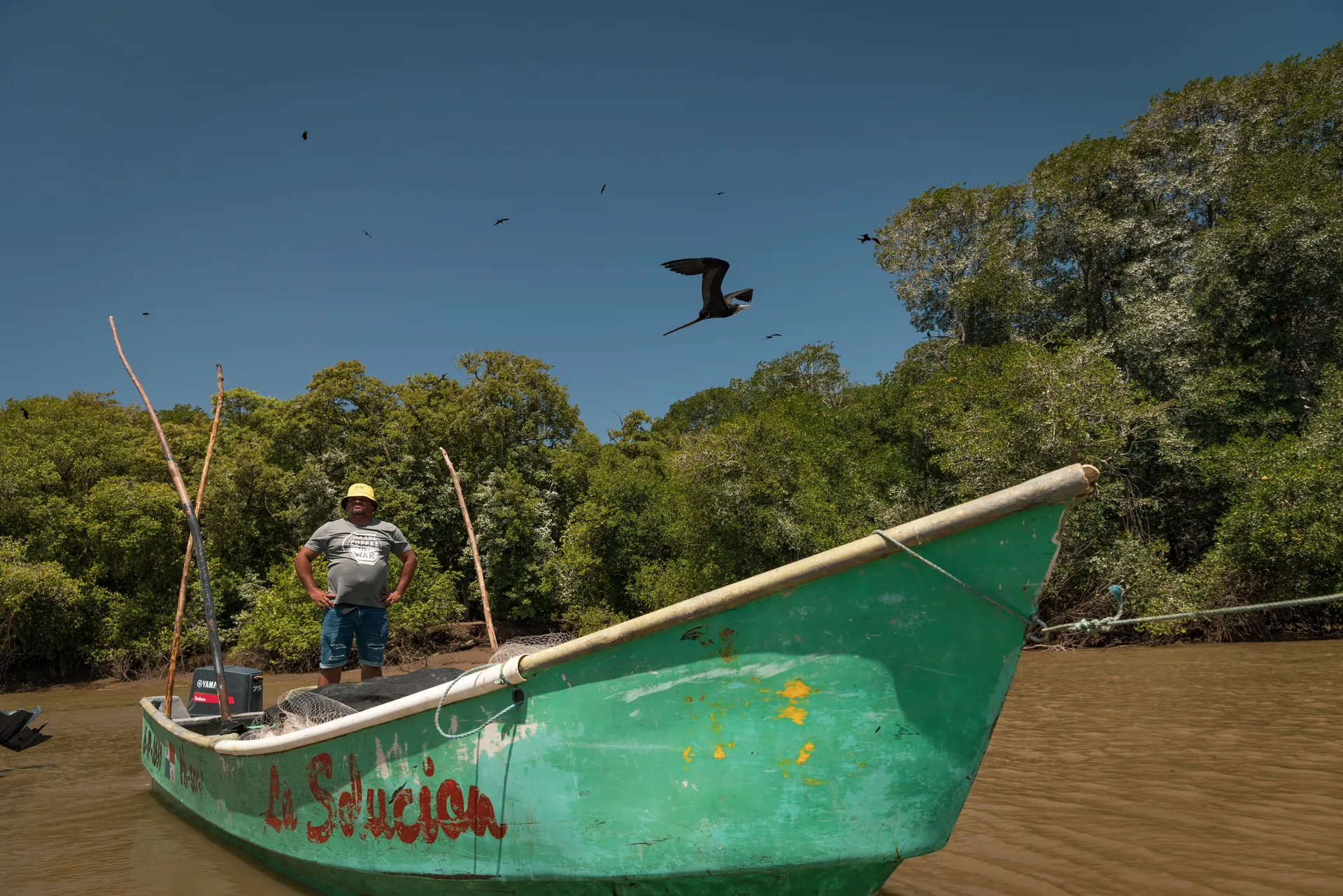
Chitre, PanamáPlayas El Agallito y El Retén
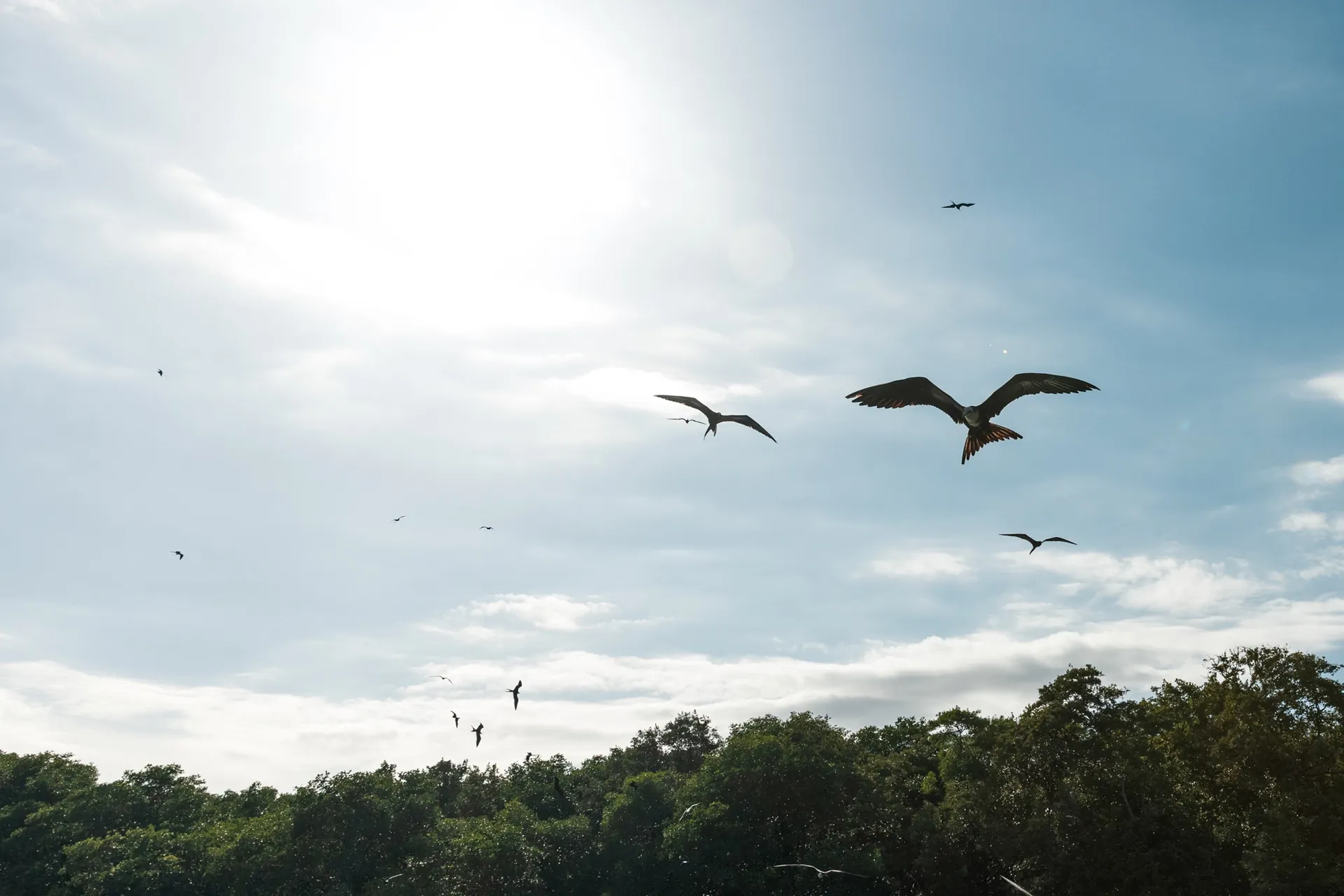
Chitre, PanamáPlayas El Agallito y El Retén
Panama
- 20k Hectares Supported
- 6 Projects
- 5 Calls for Proposals (RFPs)
- 1 Inclusion Funds
National Partners
Local Partners
Panama is a natural bridge between two continents, through which millions of birds pass every year.
Here, Conserva Aves drives conservation from the ground up, with a dedicated fund to advance equity.
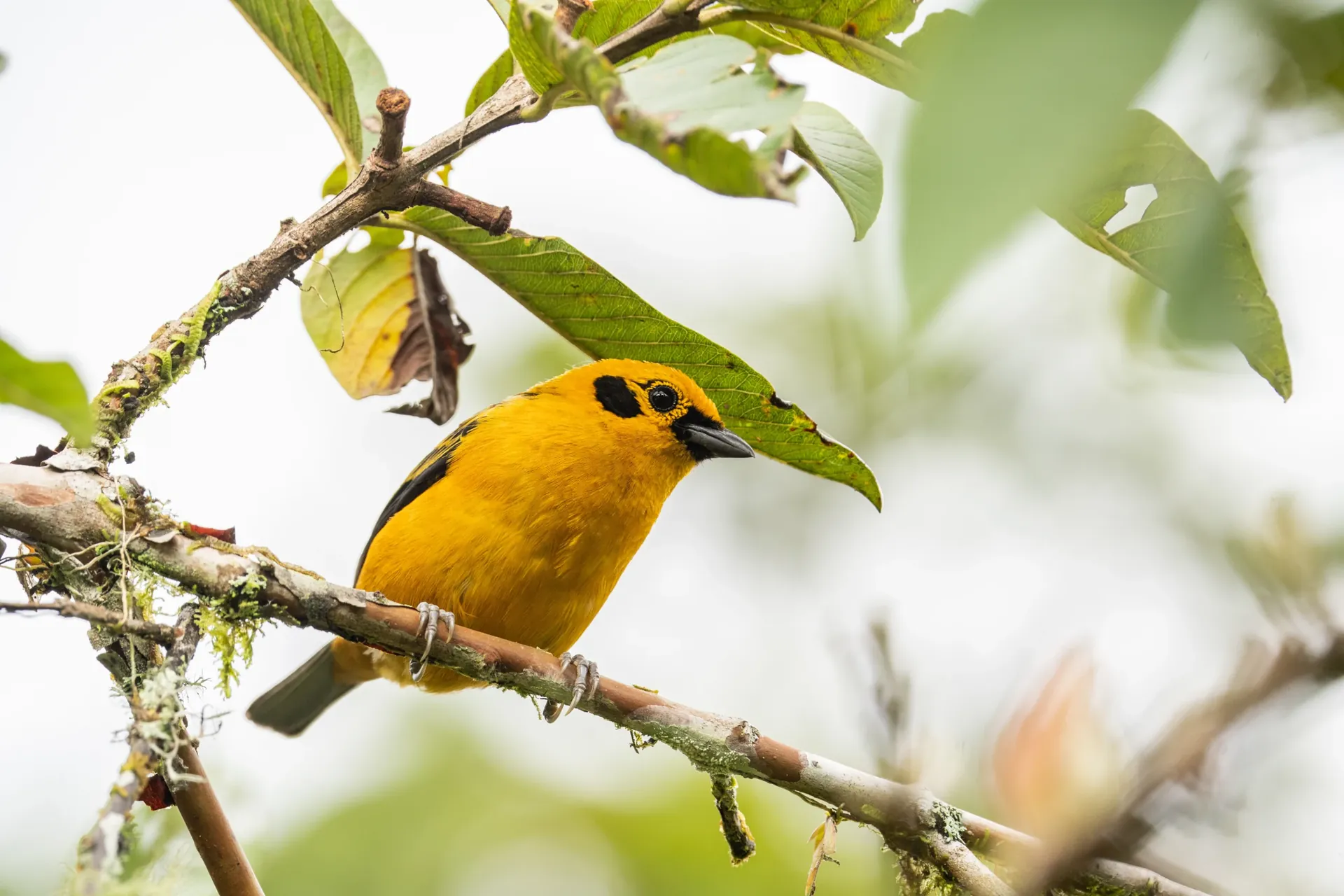
Valle del Cauca, Colombia Calima El Darién
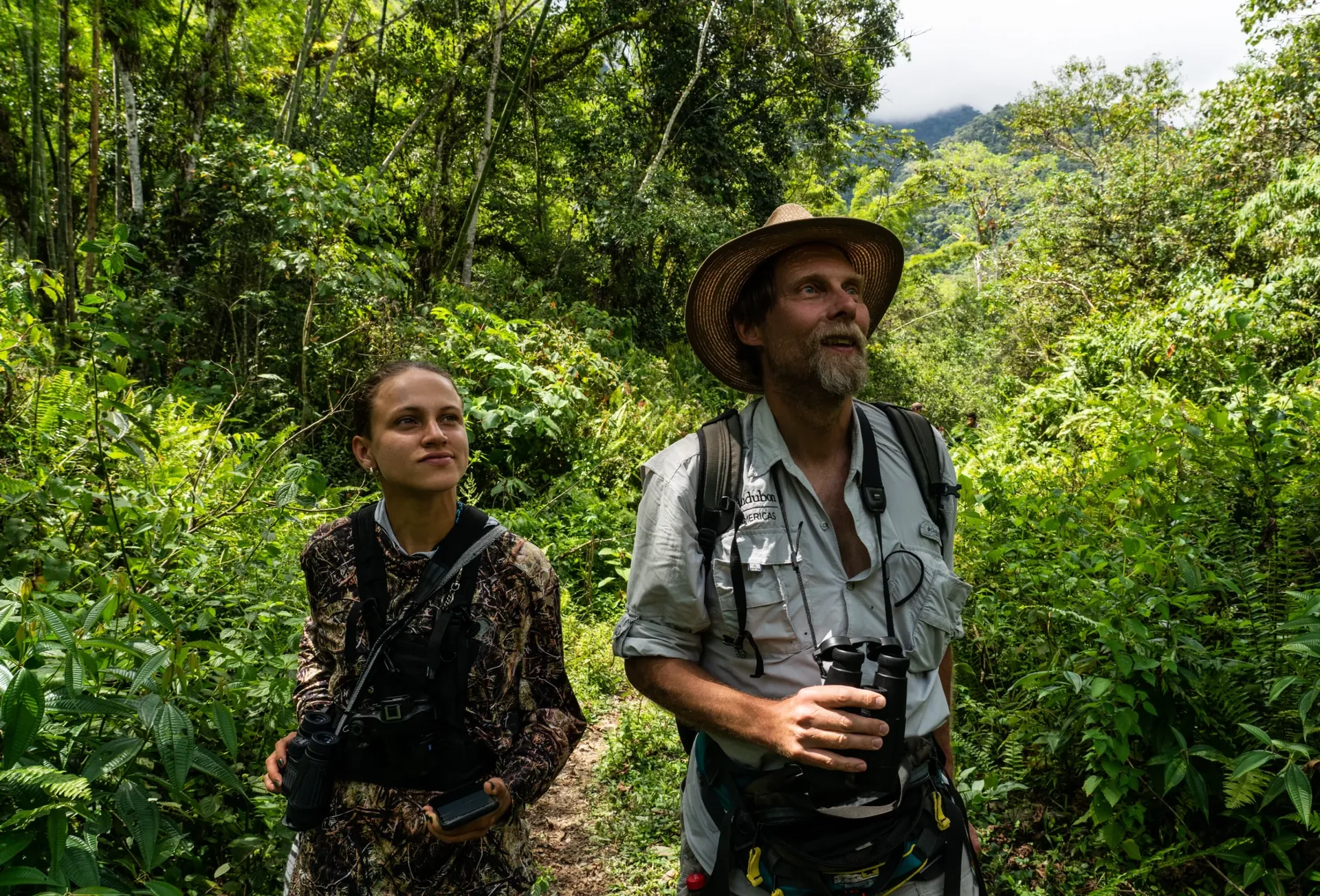
Valle del Cauca, ColombiaCalima El Darién
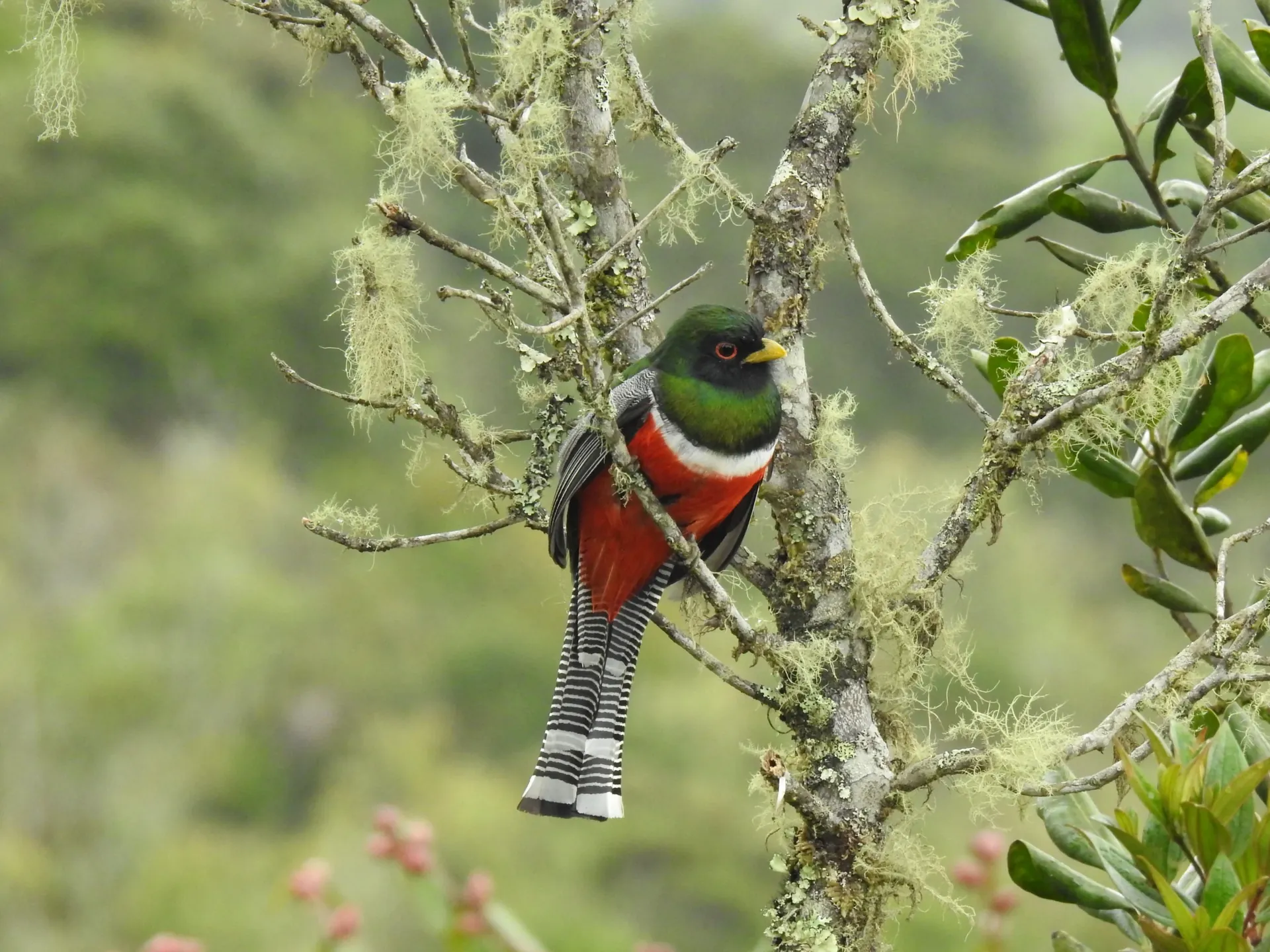
Valle del Cauca, ColombiaCalima El Darién
Colombia
- 120k Hectares Supported
- 31 Projects
- 18 Calls for Proposals (RFPs)
- 11 Direct Investments
- 3Inclusion Funds
National Partners
Local Partners
Colombia is home to more bird species than any other country on Earth and is the birthplace of the model that inspired Conserva Aves. The initiative has supported the conservation of more than 80 areas.
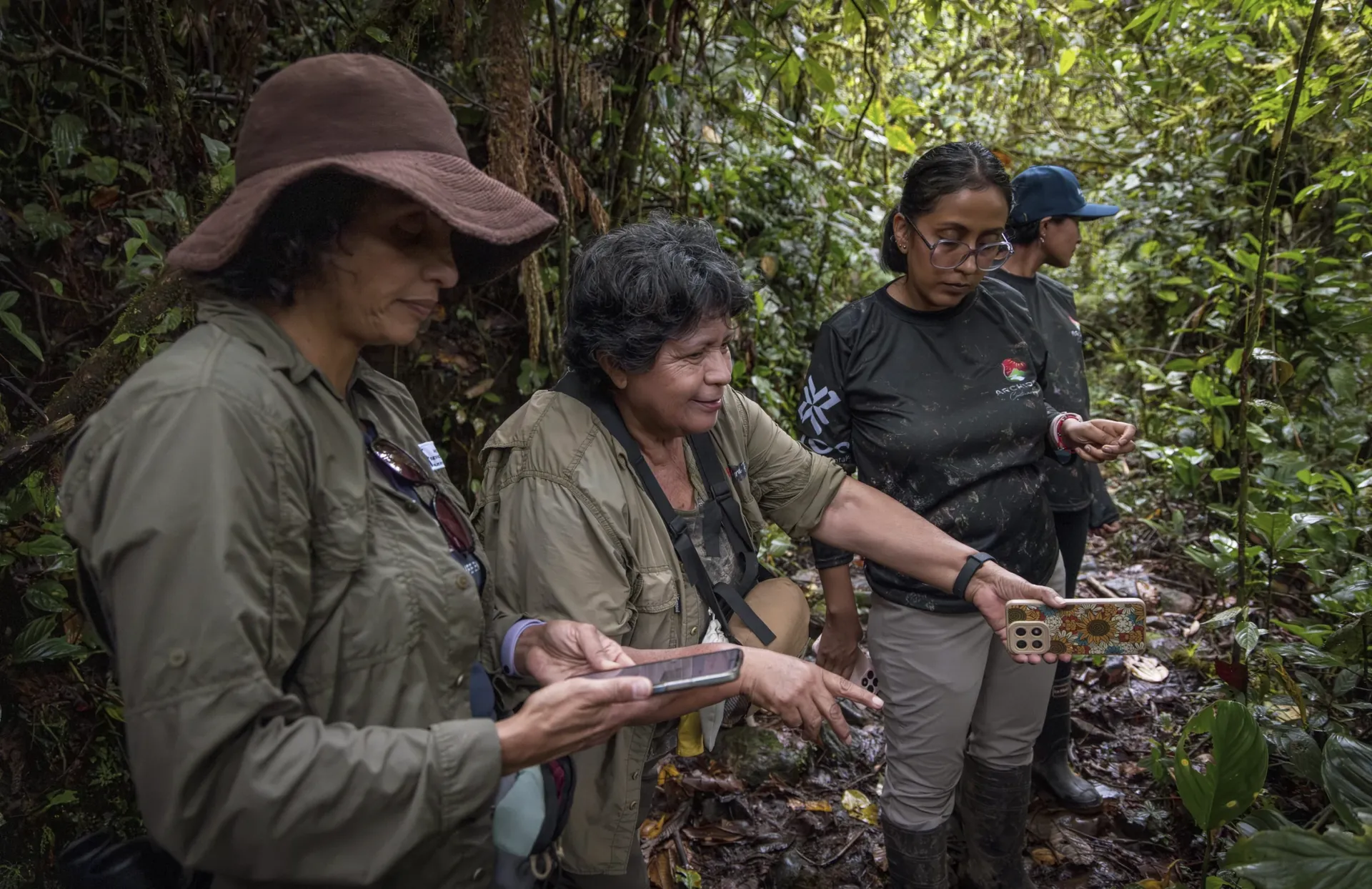
Archidona, EcuadorACUS Guacamayos–Inchillaqui
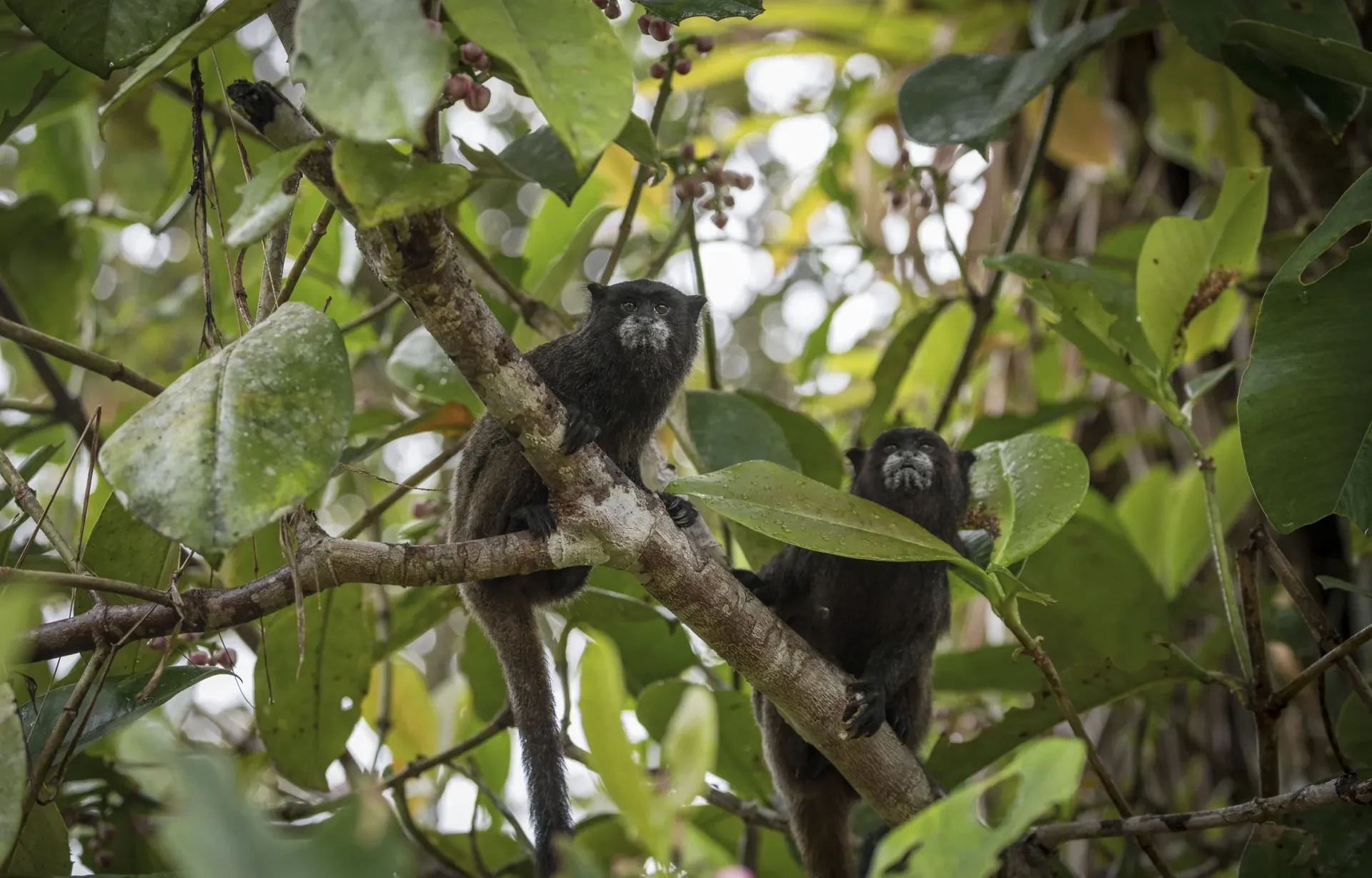
Archidona, EcuadorACUS Guacamayos–Inchillaqui
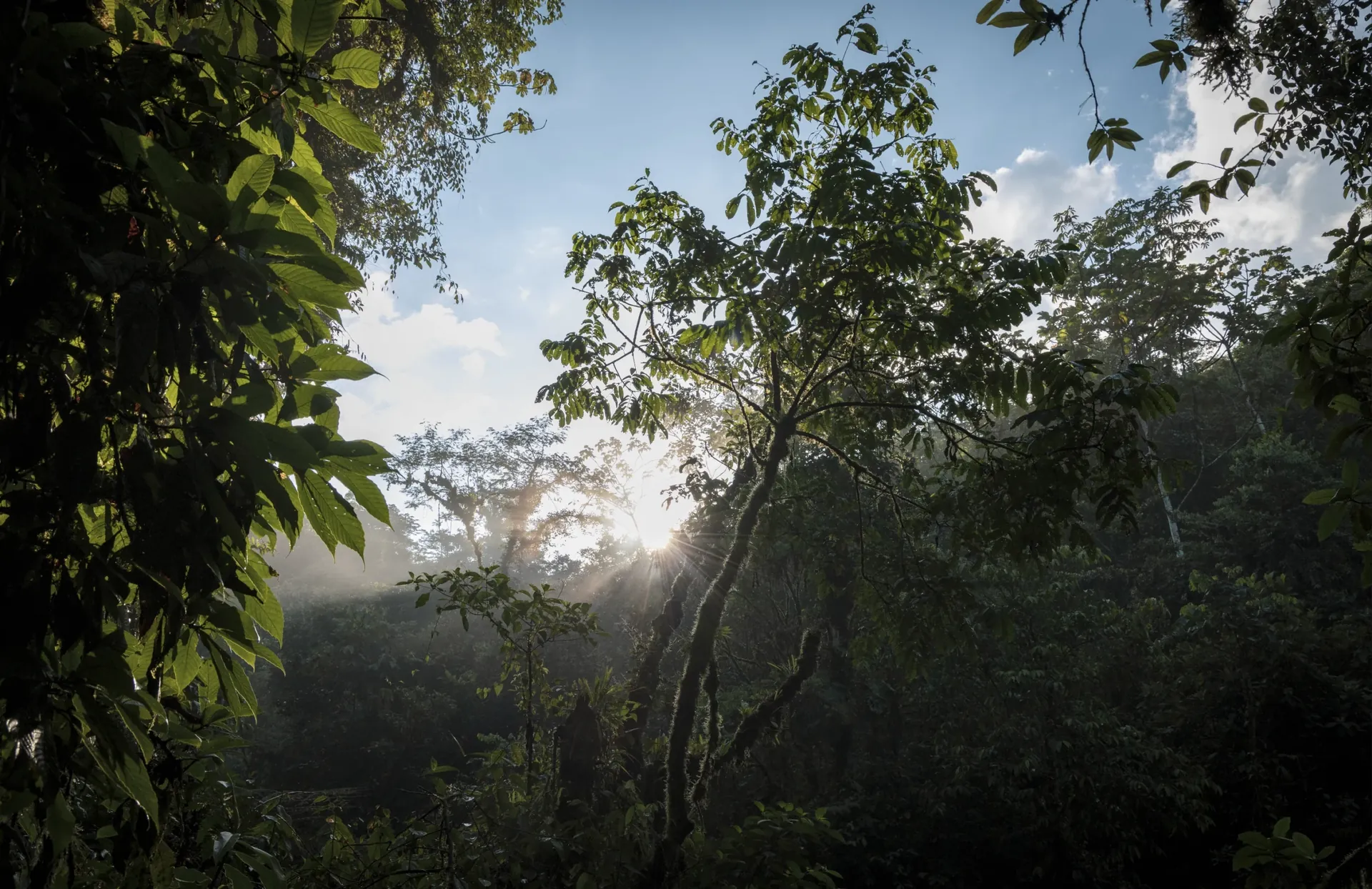
Archidona, EcuadorACUS Guacamayos–Inchillaqui
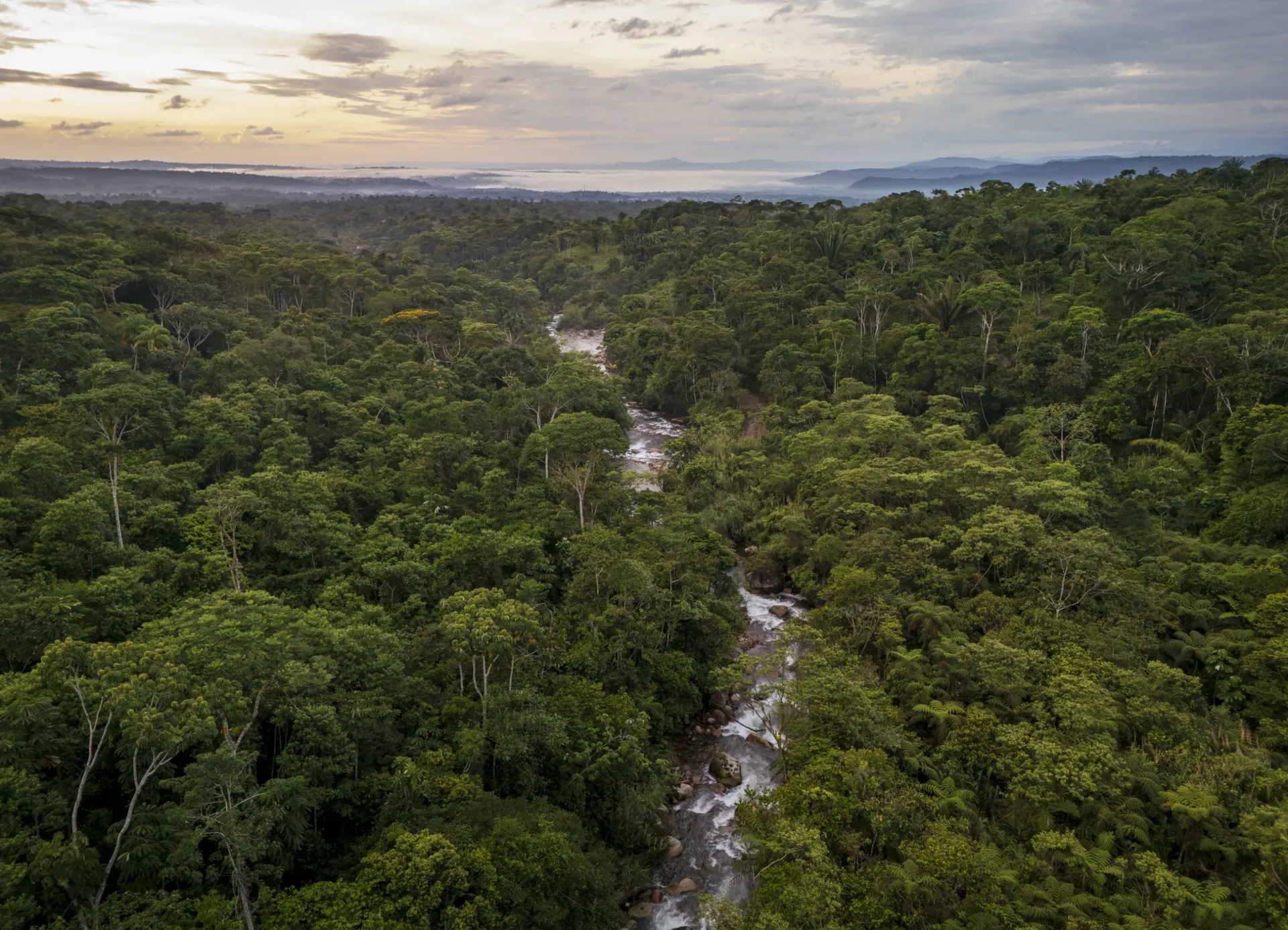
Archidona, EcuadorACUS Guacamayos–Inchillaqui
Ecuador
- 720k Hectares Supported
- 16 Projects
- 9 Calls for Proposals (RFPs)
- 7 Direct Investments
National Partners
Local Partners

Within just a few kilometers, Ecuador goes from the Amazon to the Andes and the coast. In this country at the middle of the world, Conserva Aves supports the conservation of 24 areas, protecting more than 700,000 hectares.
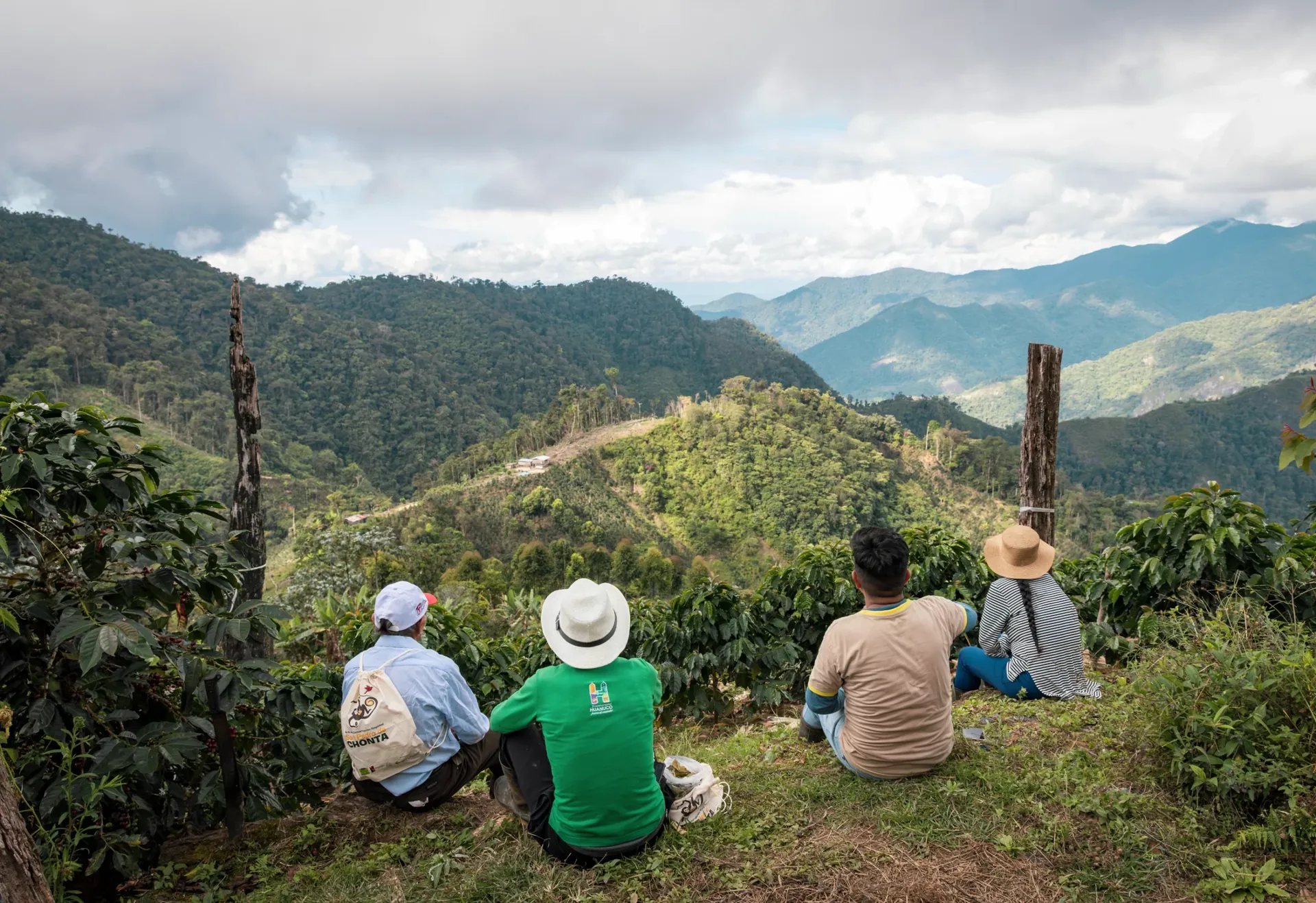
Huánuco, PerúAlto Catarata
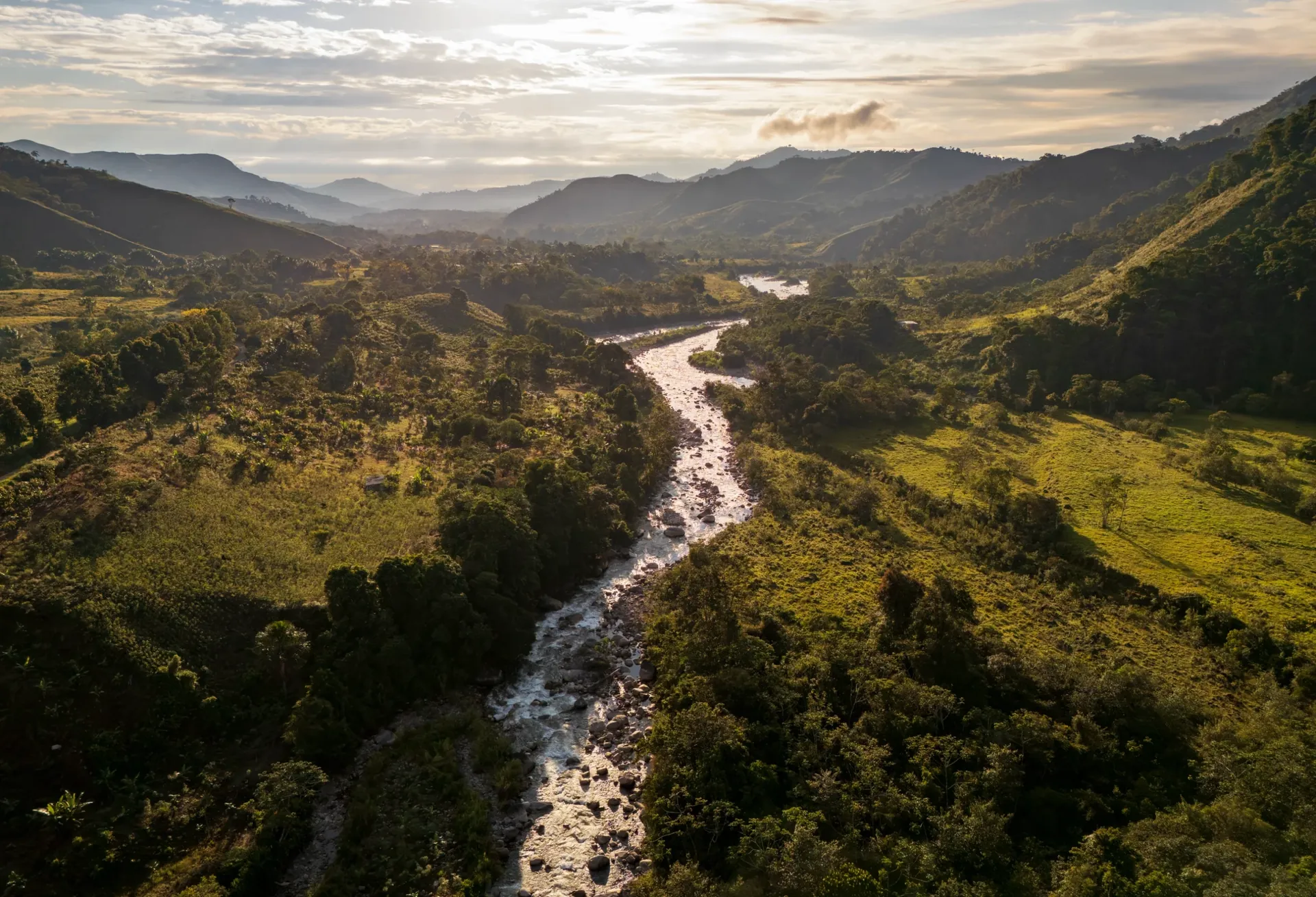
Huánuco, PerúAlto Catarata
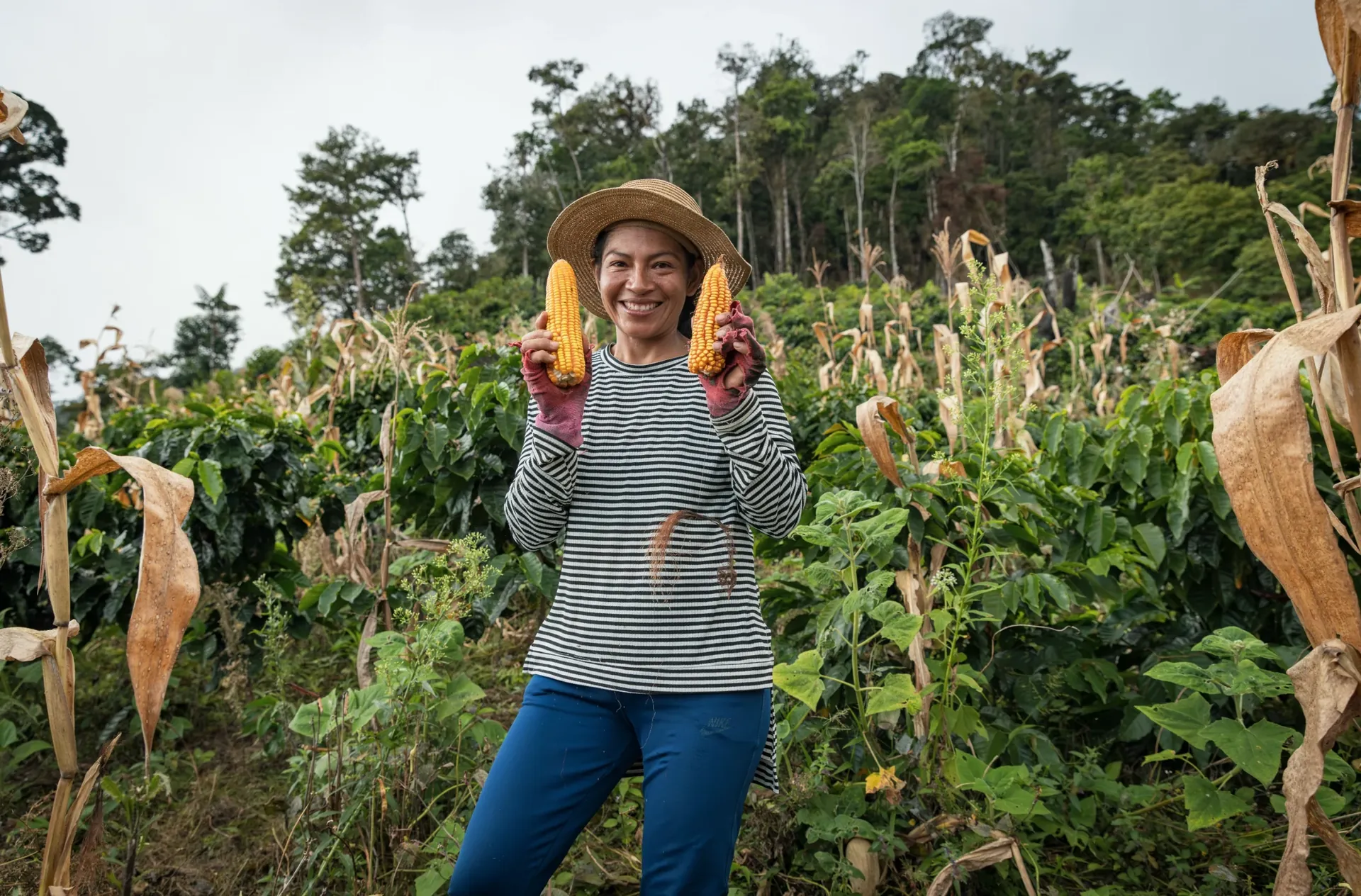
Huánuco, PerúAlto Catarata
Peru
- 700k Hectares Supported
- 19 Projects
- 10 Calls for Proposals (RFPs)
- 6 Direct Investments
- 3 Inclusion Funds
National Partners
Local Partners


From the Amazon to the Andean cloud forests, Peru protects ecosystems that secure water and life.
Junto a 12 socios locales, ya hemos logrado consolidar la conservación de más de 250.000 hectáreas, protegiendo a más de 470 especies de aves.
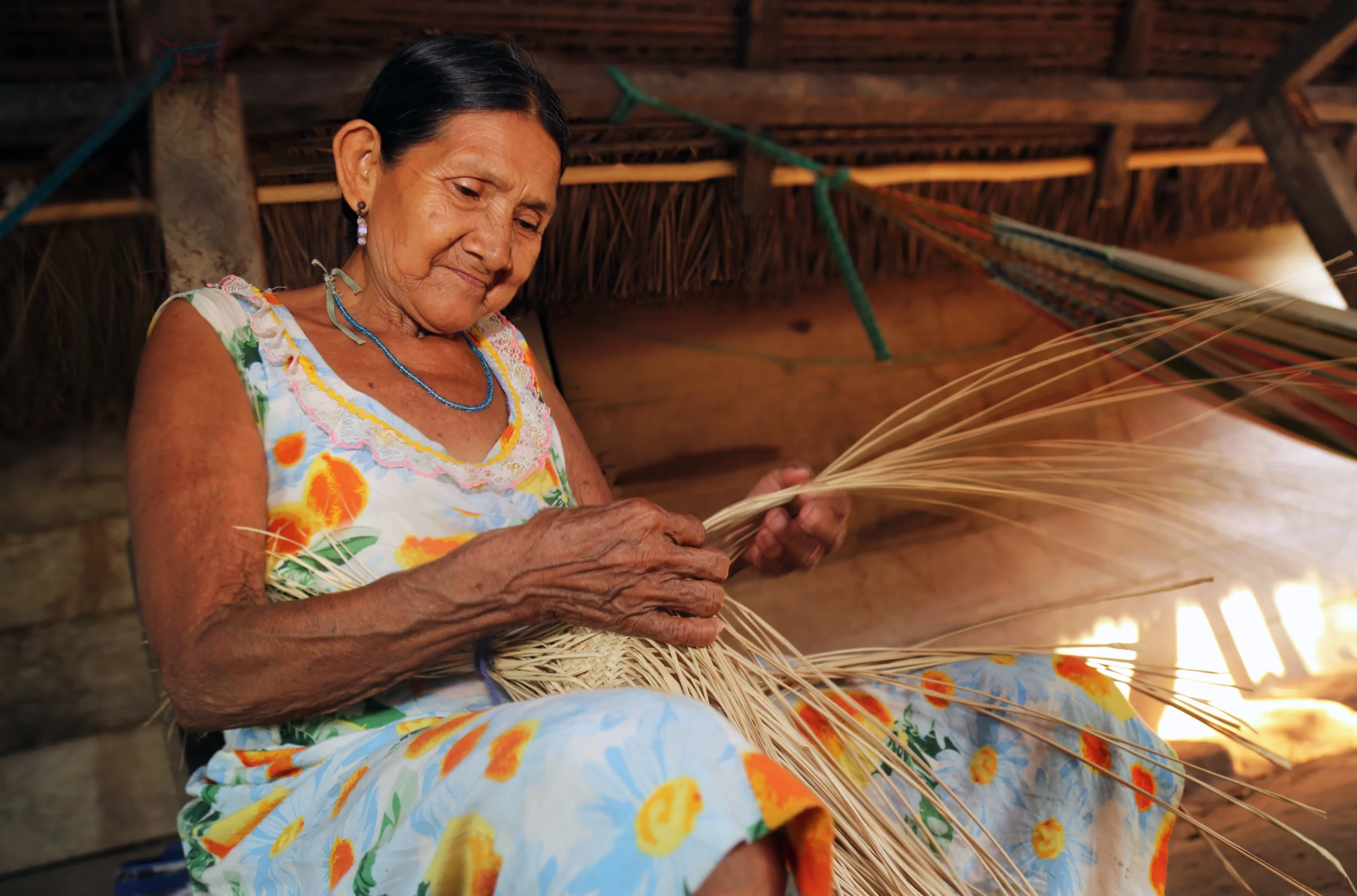
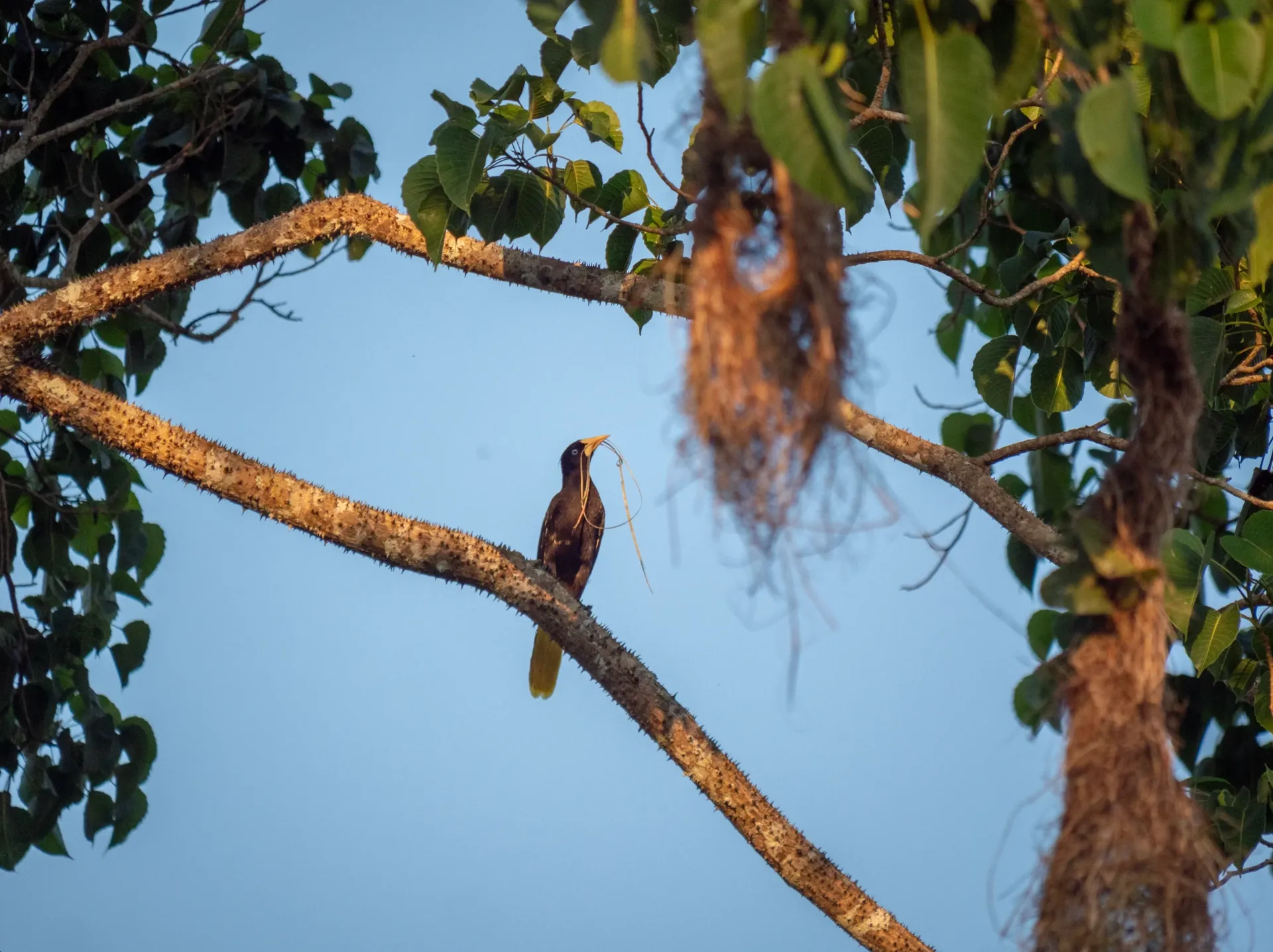
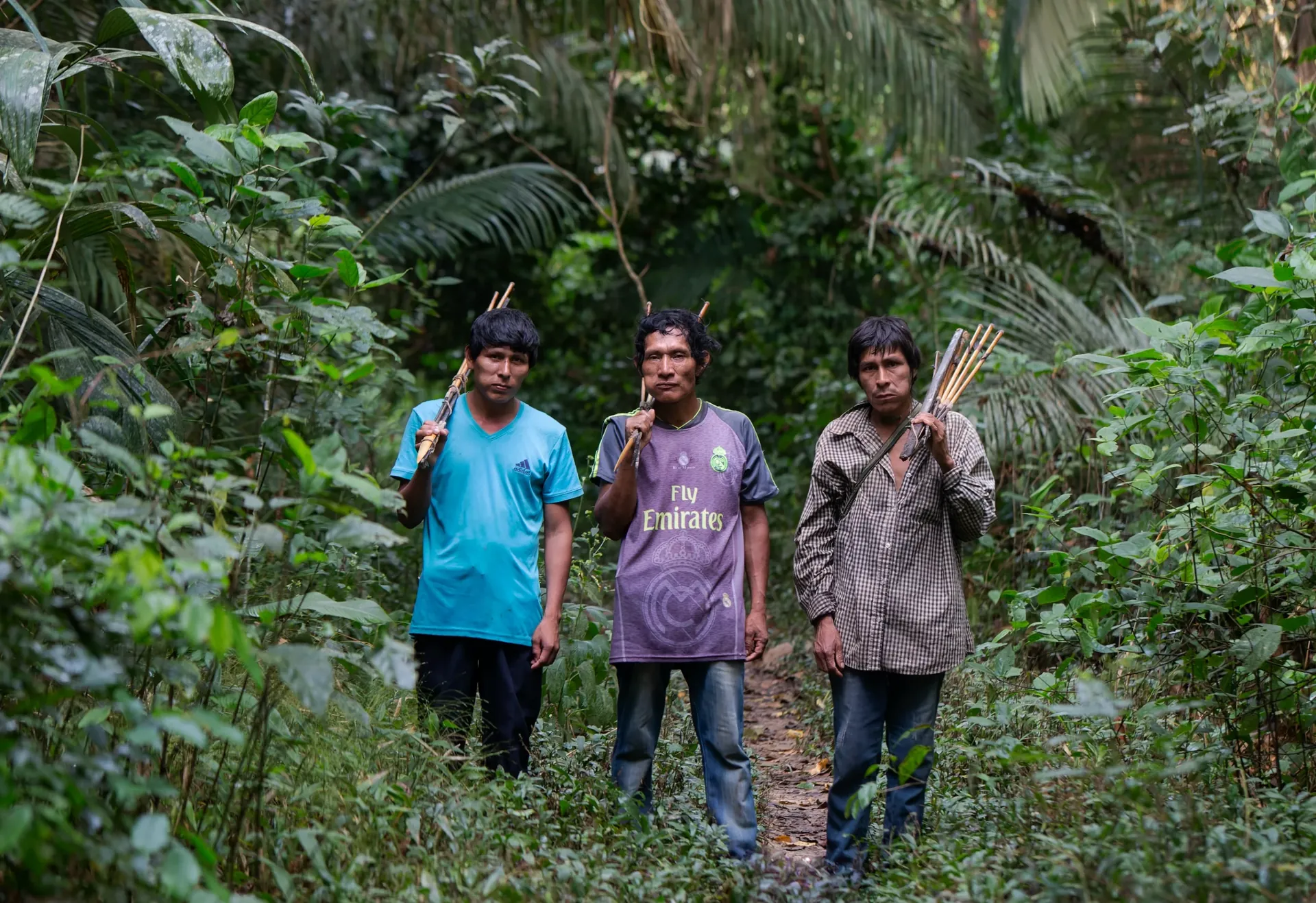
BeniLoma Santa
BeniLoma Santa
BeniLoma Santa
Bolivia
- 1.5M Hectares Supported
- 12 Projects
- 9 Calls for Proposals (RFPs)
- 3 Inclusion Funds
National Partners
Local Partners

In Bolivia, we support the conservation of more than 1.5 million hectares.
Thanks to joint work with FUNDESNAP, Asociación Armonía, and 10 local partners, one million hectares now have official protection.
Chile
- 7 Projects
- 7 Calls for Proposals (RFPs)
National Partners

Local Partners

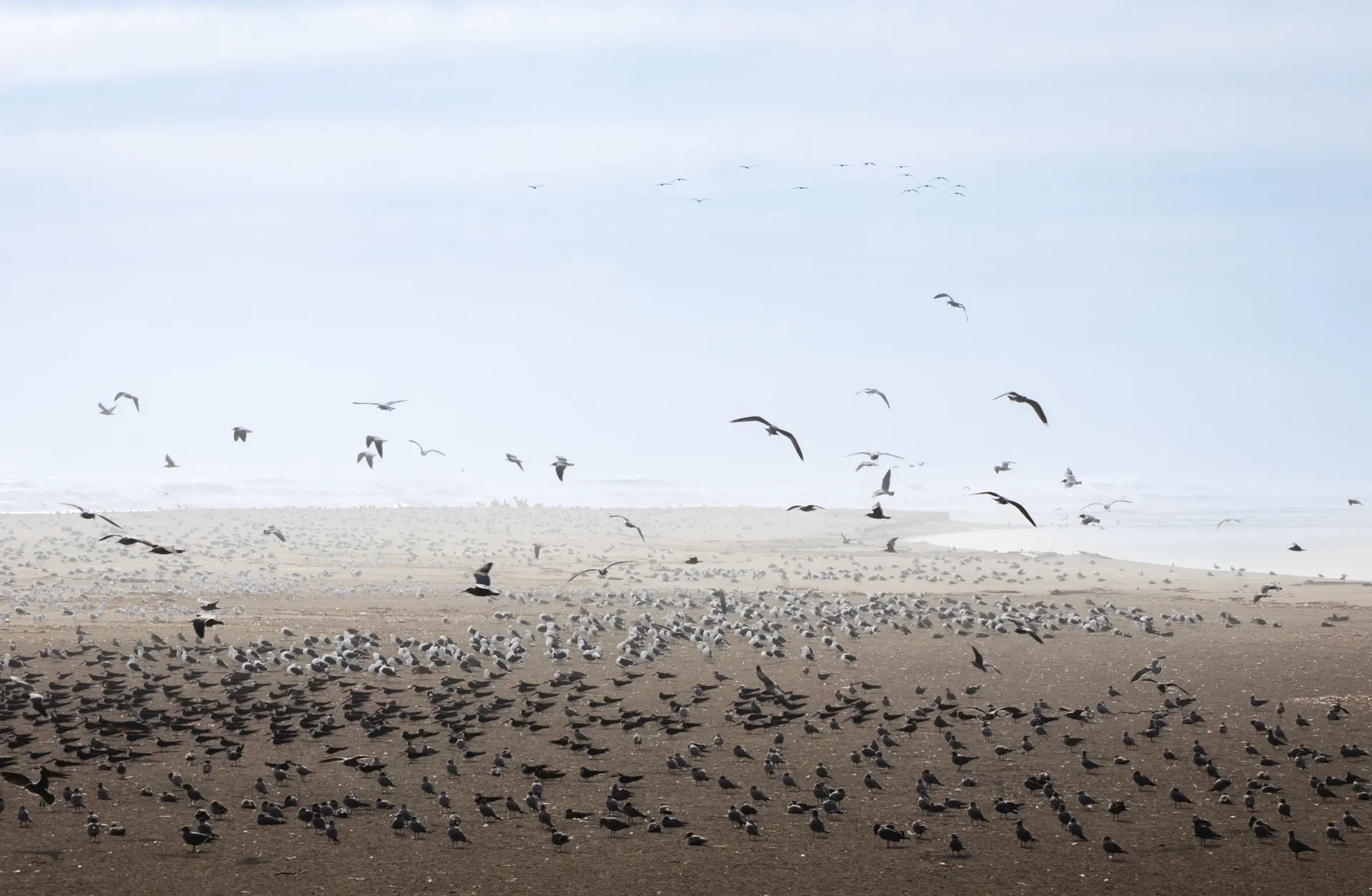
Chile's wetlands and coastlines are the final destination for birds that travel thousands of kilometers across the Americas. By joining Conserva Aves, Chile adds a key stretch of the Pacific Americas Flyway.
Gender Equality and Social Inclusion (GESI)
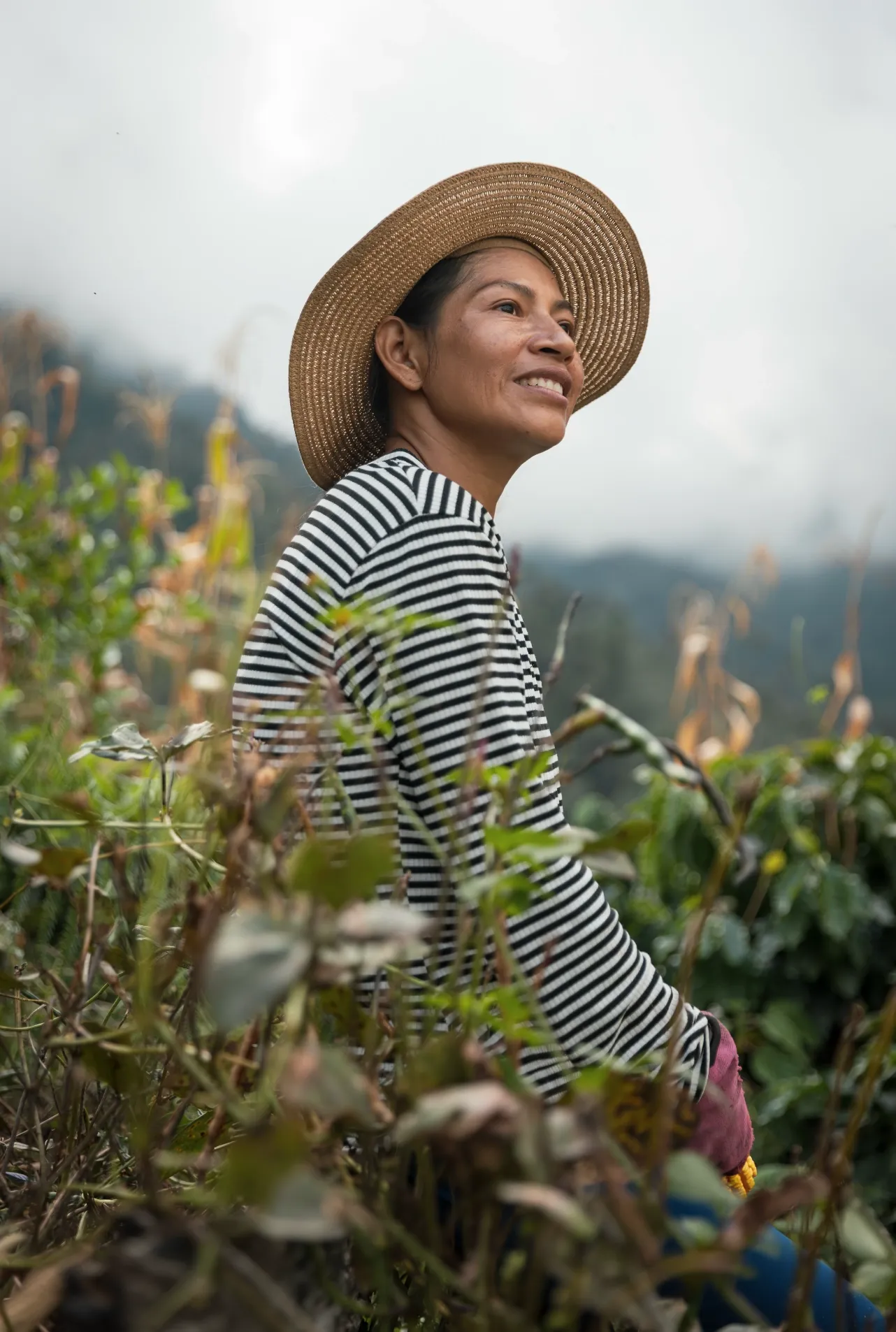
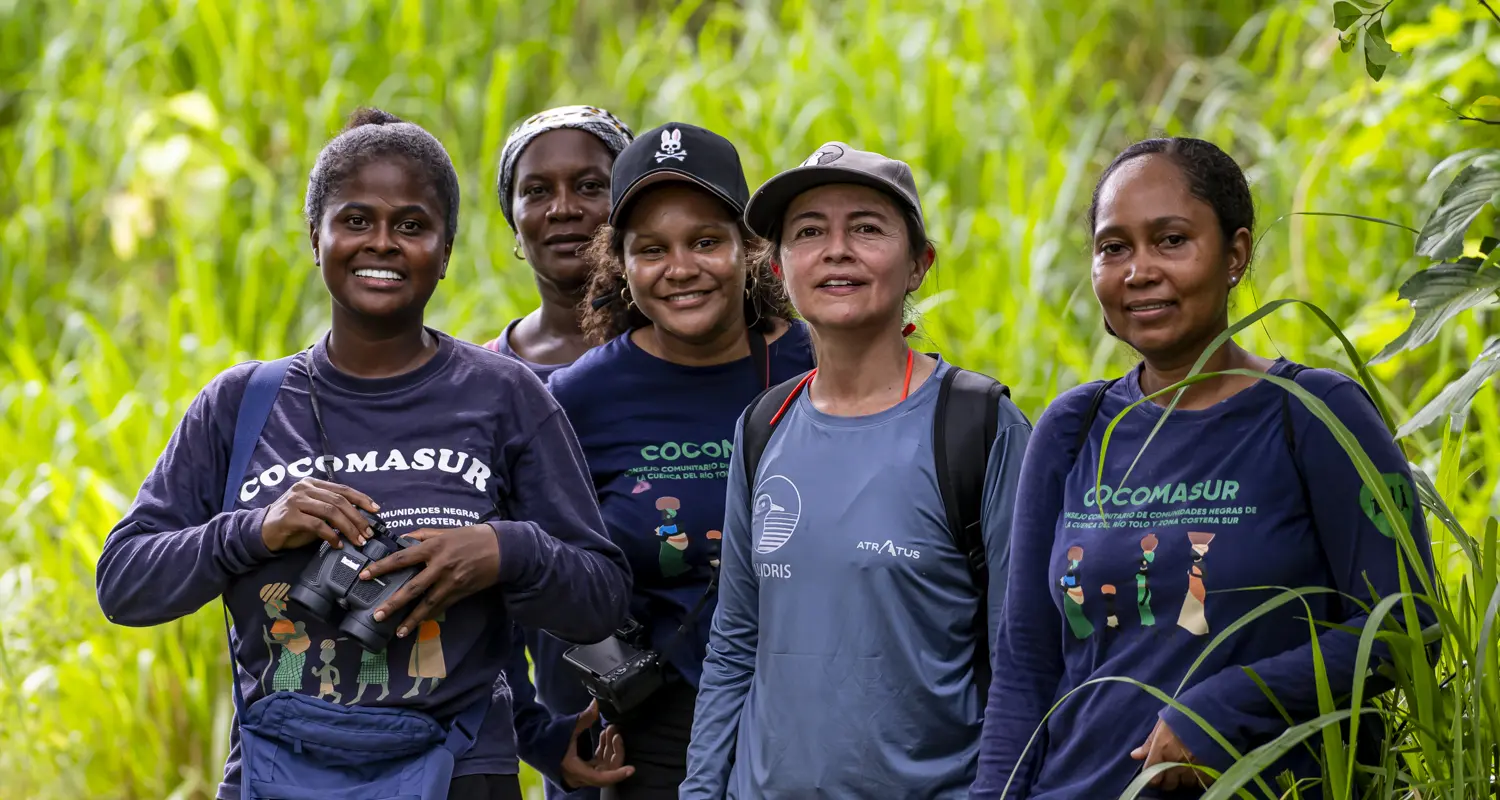
The GESI Strategy is Conserva Aves' commitment to ensuring that the participation of women, youth, and historically excluded groups is real, not symbolic: with decision-making power, their own voice, and equitable access to resources and governance spaces.
The Four Pillars of GESI:
Shared Responsibility and Solidarity with Men and Other Social Groups
Agency of Women, Indigenous Peoples, and Afro-descendant Communities
Inclusive Conservation
Knowledge Swarms
Strategy Focus:
1. Gender Equality — analyzes and addresses unequal power relations between men and women.
2. Intersectionality — recognizes that people's experiences are shaped by multiple dimensions of identity (gender, race, ethnicity, age, etc.).
3. Participation — co-creates initiatives with communities to promote their autonomy and empowerment.
4. Inclusive Conservation — integrates intercultural and place-based approaches to protect both ecosystems and cultural ties.
5. Co-Responsible Masculinities — engages men as active allies in gender equity and land governance.
6. Human Rights — frames conservation as a process that must uphold the inherent rights of local populations.
7. Decolonial Approach — validates ancestral and Indigenous wisdom by challenging the knowledge structures imposed by colonialism.
8. Intergenerational Approach — connects the wisdom of elders with the leadership of youth to strengthen social cohesion.