Brazil is a vital link in this conservation chain, holding unparalleled importance for migratory birds.
With more than 1,900 bird species—nearly 16% of all bird species worldwide—Brazil is not only one of the most biodiverse countries on the planet, but also a critical territory for migratory birds. Its ecosystems, ranging from wetlands to tropical forests, provide essential refuge for species that breed in North America and depend on Latin America to complete their annual cycle. Yet these journeys are becoming increasingly fragile.

Across Latin America, bird populations, especially sensitive and migratory species, are declining. The region is currently home to 599 threatened species. Many—including boreal migrants traveling vast distances—depend on ecosystems in countries like Brazil. Conservation efforts require protecting these habitats along their migratory routes.
At CMS COP15, Conserva Aves united partners and decision-makers in Brazil to drive focused, collaborative action for migratory bird conservation—combining a public presentation with a practical working session.
The event featured the participation of Christine Dragisic from Audubon, representing the Conserva Aves Regional Committee, as well as BirdLife International and key stakeholders in the country, including Alice Reisfeld and Raquel Carvalho (SAVE Brasil), Manoel Serrão and Fernanda Marques (FUNBIO), Rita Mesquita and Braulio Dias (Ministry of Environment and Climate Change), and Rodrigo Agostinho (IBAMA), among others.
Participants emphasized the urgent need for coordinated action to strengthen migratory bird conservation across their routes.

As part of this structuring phase of Conserva Aves in Brazil, a science-based spatial prioritization tool for the country was presented. The tool identifies critical areas for bird conservation and helps direct investments and actions toward the territories with the greatest potential impact.
By connecting science, financing, and local implementation, this approach seeks to ensure that conservation efforts are both effective and scalable over time.
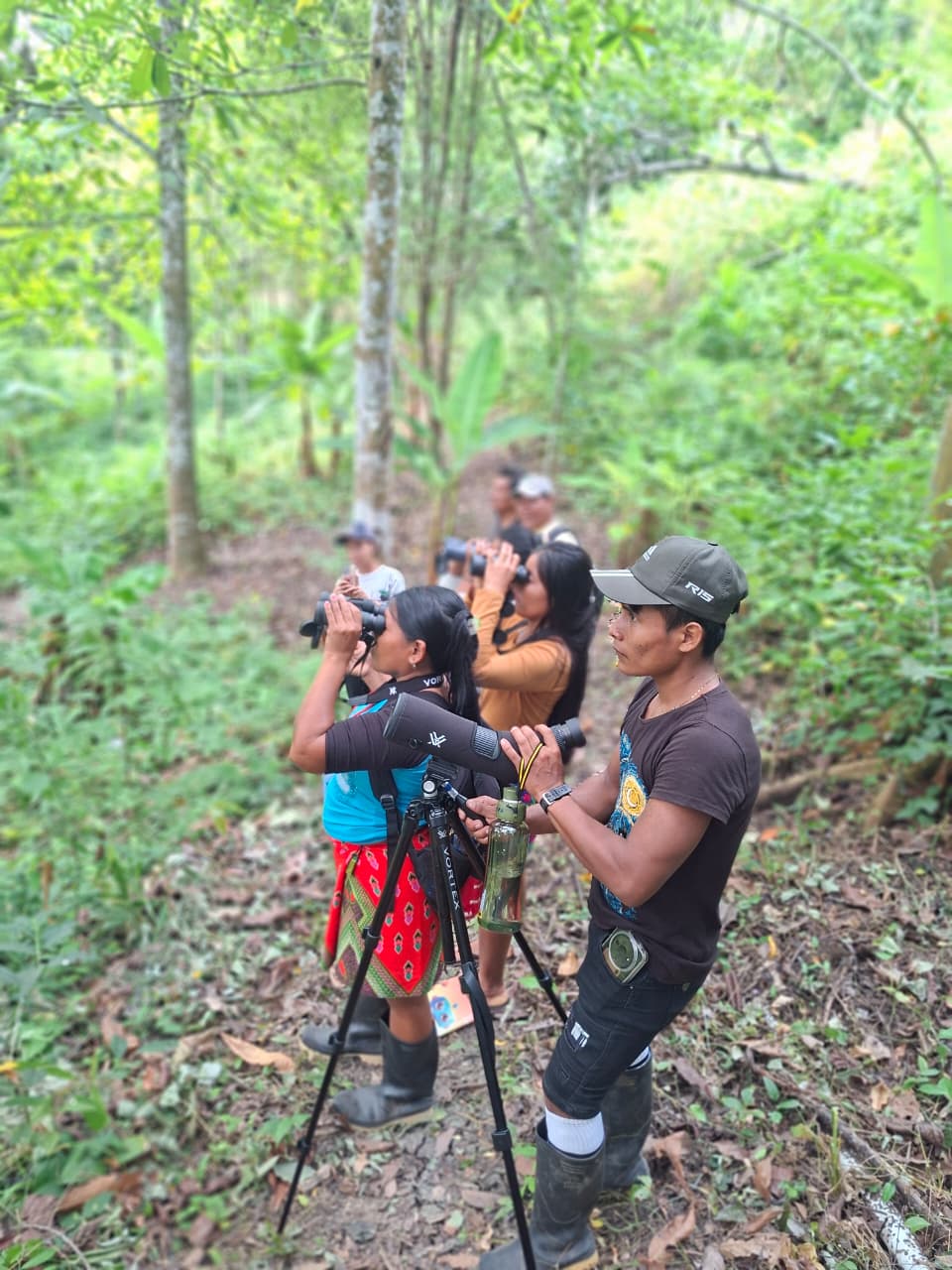
Conserva Aves is already delivering results across Latin America and the Caribbean, supporting local communities, Indigenous Peoples, and organizations in protecting key habitats for migratory and threatened species. In Brazil, we are entering a structuring phase, working alongside partners such as SAVE Brasil and FUNBIO to advance the design of a conservation model tailored to the country’s context.
This step underscores that protecting migratory birds requires hemisphere-wide coordination, making Brazil essential.
At a time of increasing pressure on biodiversity, we invite partners, policymakers, and communities to join us in supporting solutions that integrate science, communities, and financing. Take action with us to shape the future of migratory birds by helping protect key territories like Brazil for generations to come.